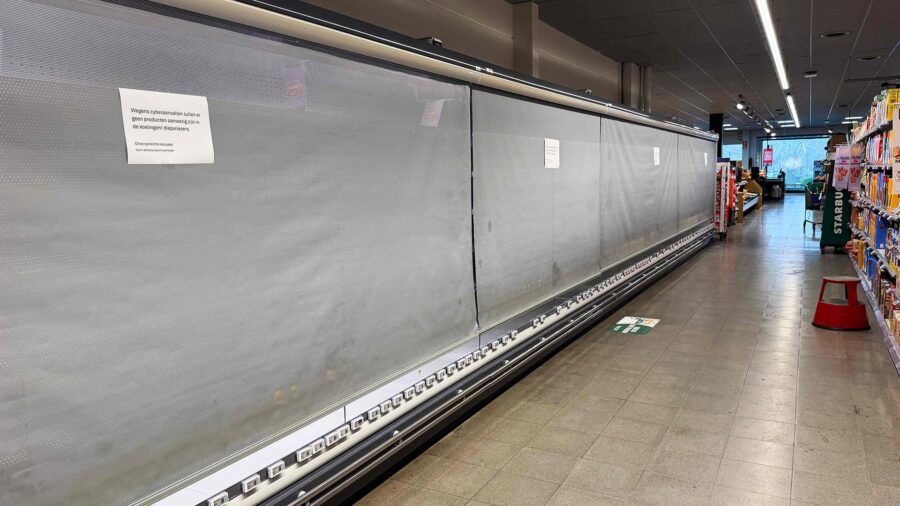
German supermarkets are facing a new cybersecurity threat as attackers target industrial cooling and refrigeration systems. These incidents highlight critical security vulnerabilities within the retail sector’s infrastructure, suggesting that both supermarket chains and equipment manufacturers may have inadvertently left systems exposed.
The Vulnerability
Security analysts report that attackers are exploiting weaknesses in the connectivity of commercial refrigeration units. These systems, often networked for remote monitoring and energy management, appear to lack sufficient digital defenses. The ease with which these systems were breached indicates that basic security protocols, such as secure authentication and network isolation, were not prioritized during the implementation of these digital cooling solutions.
The Impact
By compromising these cooling systems, unauthorized parties can potentially disrupt temperature controls, leading to food spoilage or significant operational downtime for retailers. The incidents serve as a warning to the broader retail industry that interconnected infrastructure, often referred to as the Internet of Things (IoT), requires more rigorous security oversight than traditional IT systems. Experts note that the interconnected nature of modern supply chains makes them an attractive target for digital disruption.
Current Status
Retail chains and equipment manufacturers are now under pressure to audit their digital infrastructure and address these security gaps. The industry is currently assessing the extent of these breaches and working to implement stronger protections to prevent future unauthorized access to sensitive climate-control systems.
Why it matters: As retail infrastructure becomes increasingly digitized and interconnected, the vulnerability of critical systems like refrigeration poses a direct threat to food supply chain stability. These incidents demonstrate that security failures in industrial equipment can have immediate, real-world consequences for essential services, a concern relevant to retailers and infrastructure managers globally who rely on similar connected technologies.