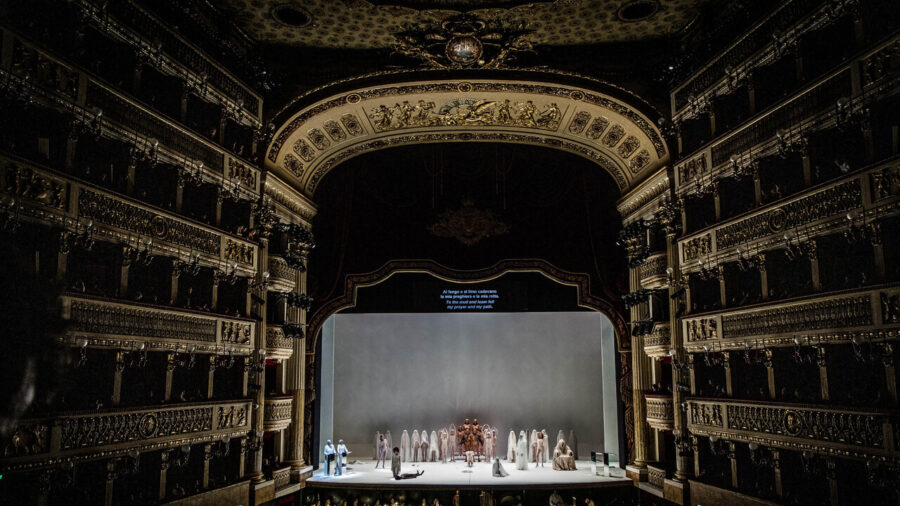
The Teatro di San Carlo in Naples celebrated its 289th anniversary this week, marking nearly three centuries of operation as the oldest continuously active opera house in the world. Management commemorated the milestone through official social media channels, highlighting the venue’s role as a cultural landmark.
A Historical Landmark
Founded in 1737, the theater predates other famous European opera houses, including Milan’s La Scala and Venice’s La Fenice. It was commissioned by King Charles III of Bourbon and designed by architect Giovanni Antonio Medrano. The venue was built to demonstrate the power and prestige of the Kingdom of Naples.
The theater has survived fires, political upheaval, and societal changes throughout its long history. It remains a central institution for Italian opera and ballet. In their anniversary statement, the theater’s administration described the site as a symbol of the city and a repository of enduring beauty.
Preserving Cultural Heritage
The Teatro di San Carlo continues to host a full season of operatic and symphonic performances. Its architecture, characterized by its horseshoe-shaped auditorium and elaborate decor, serves as a significant example of 18th-century royal theater design.
The theater management intends to maintain its schedule of international productions throughout the coming year. Future programming will focus on blending classical repertoire with contemporary performances to sustain the venue’s relevance.
Why it matters: The longevity of the Teatro di San Carlo represents a significant case study in the preservation of heritage institutions. Its continued operation highlights how historical sites maintain cultural identity and economic relevance for their host cities over centuries.