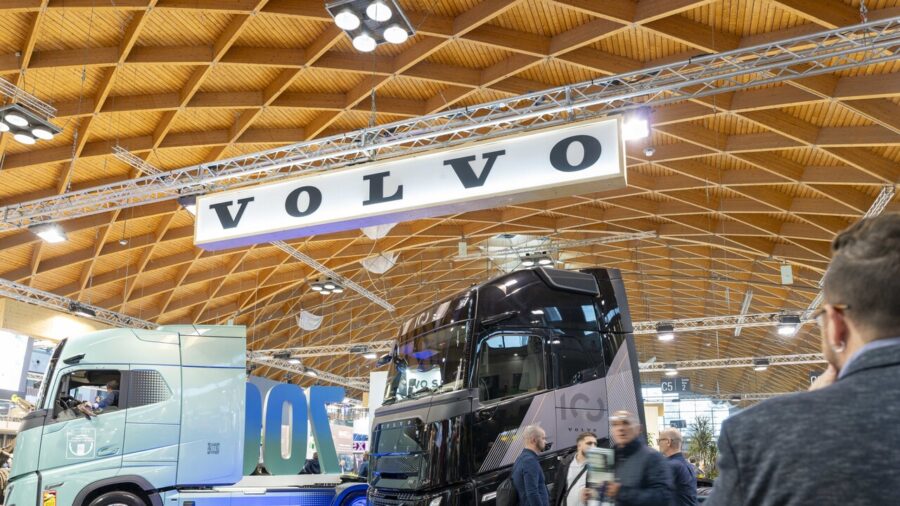
Visitors at the Ecomondo trade fair in Rimini, Italy, gathered this week to view the latest heavy-duty transport technology from Volvo Trucks. The manufacturer displayed two vehicles designed to reduce carbon emissions within the logistics sector.
New Emission-Reducing Models
The company presented an all-electric truck alongside a model powered by liquefied biomethane. These vehicles represent Volvo’s strategy to diversify its powertrain offerings for heavy transport.
The electric vehicle is designed for urban and regional distribution, operating without tailpipe emissions. The second model utilizes liquefied biomethane, a fuel derived from organic waste, intended to provide a lower-carbon alternative for long-haul operations. Both vehicles are part of Volvo’s broader initiative to transition its fleet toward sustainable energy sources.
Industry and Environmental Impact
The presentation at Ecomondo highlights the growing pressure on the transportation industry to meet stricter environmental regulations. By showcasing both electric and gas-powered solutions, Volvo aims to address different operational needs for logistics companies seeking to decarbonize their supply chains.
The integration of these technologies into commercial fleets depends on the availability of charging infrastructure and refueling stations for biomethane. The company continues to test these models in various European markets as it scales production.
Why it matters: The transportation sector accounts for a significant portion of global greenhouse gas emissions. As international regulations tighten, logistics operators are increasingly forced to adopt alternative fuels. Volvo’s focus on diverse technologies like electric and biomethane indicates a shift toward multi-fuel strategies to maintain heavy transport operations while complying with environmental standards.