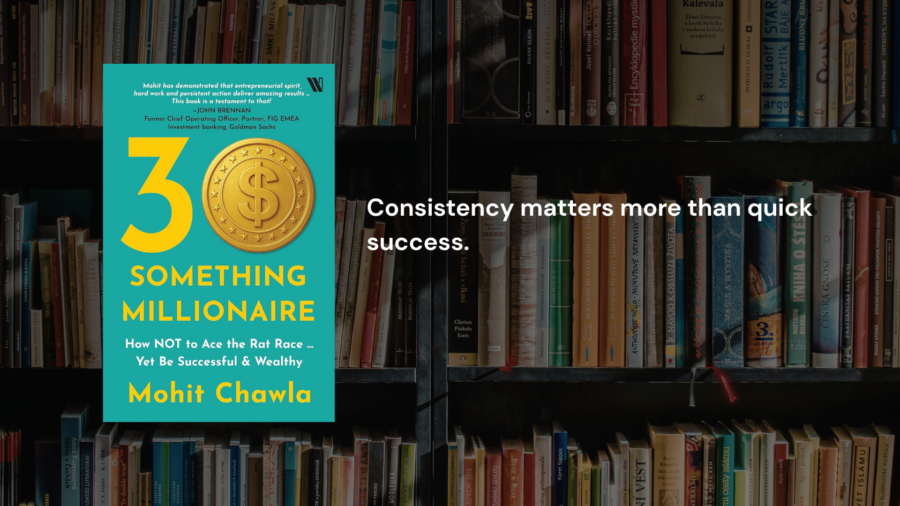
Author Mohit Chawla outlines a framework for achieving financial independence in his book, 30 Something Millionaire: How NOT to Ace the Rat Race. Drawing from a career in private equity, investment banking, and real estate, Chawla argues that long-term wealth is built through consistent habits and disciplined financial management rather than short-term gains.
Core Principles of Wealth Accumulation
Chawla emphasizes that the path to becoming a self-made millionaire in one’s thirties is rarely an overnight process. He cautions against the pursuit of shortcuts, stating that consistent, repetitive actions in saving, investing, and skill-building are the primary drivers of success. According to the author, while these habits may appear slow to yield results, their impact accumulates significantly over time.
A central pillar of the book is the concept of compounding. Chawla notes that while many understand compound interest in a financial context, the principle applies equally to professional development and knowledge acquisition. By consistently learning new skills and gaining experience, individuals can create opportunities that compound over the course of a career. He advises readers to start early and allow sufficient time for both capital and personal expertise to grow.
The Necessity of Financial Discipline
The book asserts that income alone does not determine wealth. Chawla argues that financial independence requires strict discipline regarding spending habits. He observes that increased earnings often lead to increased spending, which can negate the benefits of a higher salary. Instead, he advocates for intentional decision-making regarding expenses and savings to ensure that net worth grows alongside income.
Why it matters: For readers in the Middle East, where rapid economic development and shifting market dynamics often encourage high-consumption lifestyles, Chawla’s focus on disciplined saving and compounding offers a pragmatic framework. His emphasis on long-term wealth preservation is particularly relevant for emerging investors seeking stability in volatile markets.