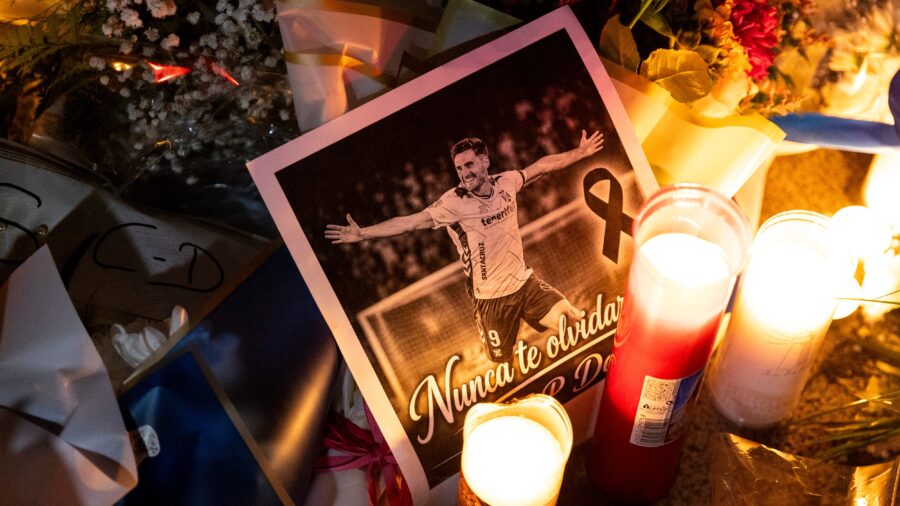
On a bright afternoon in the Canary Islands, Tenerife footballer Jesús de Miguel collapsed after a hard blow to his chest during a match, prompting teammates to rush to his side.
What happened on the field
Witnesses said the impact occurred when an opponent’s shoulder struck de Miguel directly over the sternum. Within seconds, the player stopped breathing and showed no pulse. The referee called for medical assistance, and the club’s emergency team arrived within the mandated 60 seconds.
Doctors on site identified the condition as commotio cordis, a rare but potentially fatal disruption of the heart’s rhythm caused by a blunt impact to the chest during a vulnerable 20‑to‑40‑millisecond window of the cardiac cycle. Carlos Alonso, a member of the Spanish Society of Emergency Medicine and former president of the Spanish Resuscitation Council, explained that the phenomenon is extremely serious yet reversible with prompt treatment.
Medical intervention and its importance
Paramedics administered immediate cardiopulmonary resuscitation and deployed an automated external defibrillator, delivering a shock that restored a normal rhythm. The player was then transported to a nearby hospital for further observation. Alonso noted that similar cases have been recorded in American football, underscoring the cross‑sport relevance of the risk.
Health officials emphasized that the narrow time frame for successful defibrillation makes every second count. Training for rapid response, including on‑field defibrillator availability, is now being reviewed by the Spanish Football Federation to prevent future fatalities.
While de Miguel is expected to recover fully, the incident has sparked discussion among sports leagues about mandatory emergency protocols.
Why it matters: The case highlights a little‑known cardiac risk that can affect athletes in any contact sport. Prompt recognition and treatment can save lives, prompting leagues in the Middle East and Egypt to reassess emergency preparedness and equipment standards.