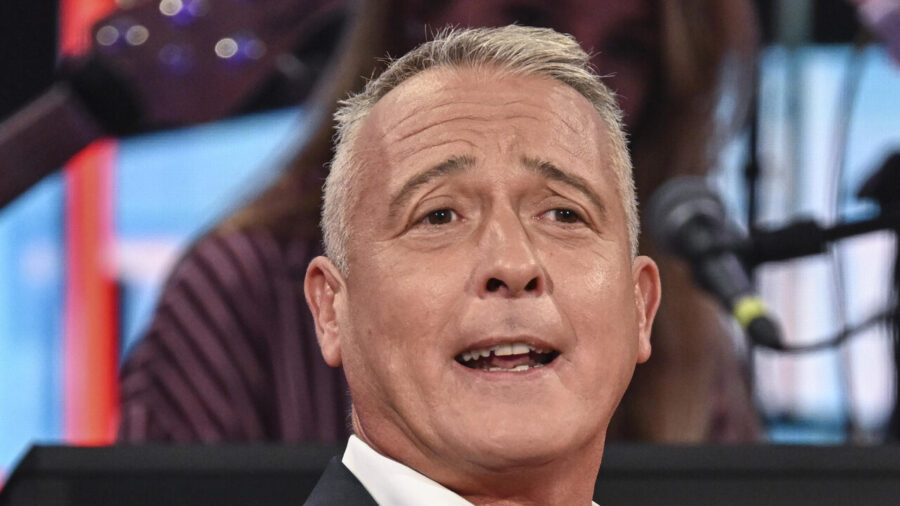
A recent interview involving former priest Don Alberto Ravagnani has sparked significant internal conflict within Italy’s public broadcaster, Rai. The controversy centers on an exchange led by television host Pierluigi Diaco, which drew sharp criticism from prominent industry figures and members of the Rai Board of Directors.
Public Criticism and Internal Dissent
The incident occurred during a broadcast where Diaco posed personal and intimate questions to Ravagnani, who left the priesthood. The nature of the questioning prompted an immediate rebuke from Milly Carlucci, a long-standing Rai television personality. Carlucci publicly labeled the conduct of the interview as “unacceptable,” fueling further debate regarding editorial standards within the network.
The fallout extended beyond public commentary, reaching the upper echelons of the broadcaster’s governance. Reports indicate that the matter was raised during a recent Rai Board of Directors meeting. Board members discussed the implications of the segment, questioning whether the editorial tone aligned with the broadcaster’s public service mandate.
Broader Implications for Programming
The incident has intensified ongoing discussions about the boundaries of television journalism and the personal conduct of hosts. Critics argue that the line between professional inquiry and invasive questioning was crossed. As of now, Rai management has not issued a formal statement regarding potential disciplinary measures or changes to the program’s format.
The broadcaster is expected to review its editorial guidelines in the coming weeks to address concerns raised by stakeholders. Future programming decisions may reflect a stricter adherence to these standards as the network attempts to navigate the backlash.
Why it matters: This incident highlights the tension between viewership-driven entertainment and the ethical responsibilities of public media. It serves as a case study for media organizations balancing provocative content with institutional reputation, particularly in markets where public broadcasters face intense scrutiny over their editorial independence and professional conduct.