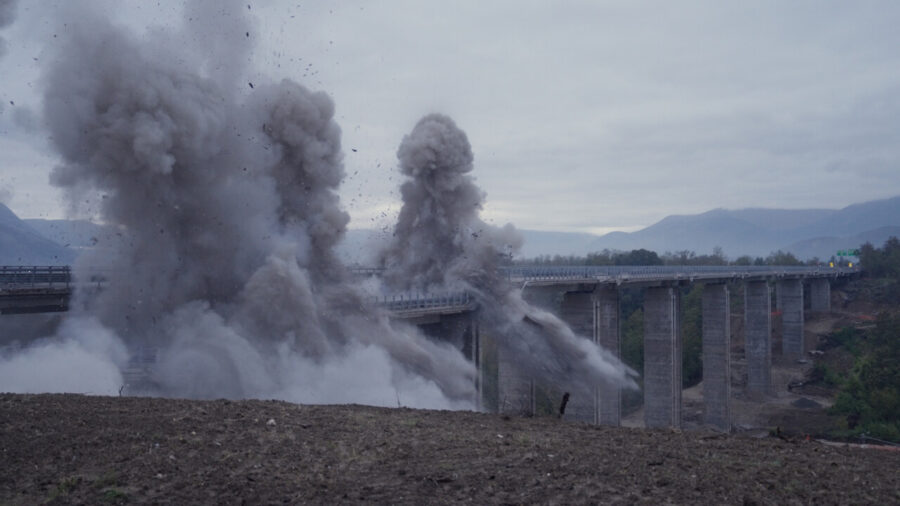
Construction crews cleared the west carriageway of the Valle dei Fiori viaduct on the A25 highway on Monday, marking the final step of a demolition phase that had halted traffic for months.
The removal of the damaged deck paves the way for a broader safety program announced by Italy’s Ministry of Infrastructure. The program will reinforce the structural integrity of five pairs of viaducts across the Abruzzo region.
Engineers will begin installing new reinforcement bars and concrete panels next week, according to a statement from the regional transport authority. The work is expected to last 18 months and will be carried out in stages to keep at least one lane open on each bridge.
Local officials said the upgrades are aimed at meeting EU safety standards and reducing the risk of collapse during earthquakes, a concern in the seismically active Apennines. “The new measures will extend the service life of these critical links,” said Abruzzo governor Giovanni Lollobrigida.
Motorists have been redirected to alternative routes, causing longer travel times between L’Aquila and Pescara. The transport ministry has promised regular updates and has set up a hotline for driver inquiries.
Impact on Regional Traffic
Freight companies reported a 12% increase in delivery times since the demolition began. The Italian Association of Road Transport operators warned that prolonged disruptions could affect supply chains for agricultural products exported from the region.
Future Outlook
Upon completion, the reinforced viaducts will support higher traffic volumes and improve resilience against natural hazards. The ministry plans to evaluate the project’s outcomes before extending similar upgrades to other highways in central Italy.
Why it matters: The A25 viaduct upgrades address safety gaps in a key transport corridor that connects central Italy to the Adriatic coast, affecting commuters, freight operators and regional economies that rely on reliable road links.