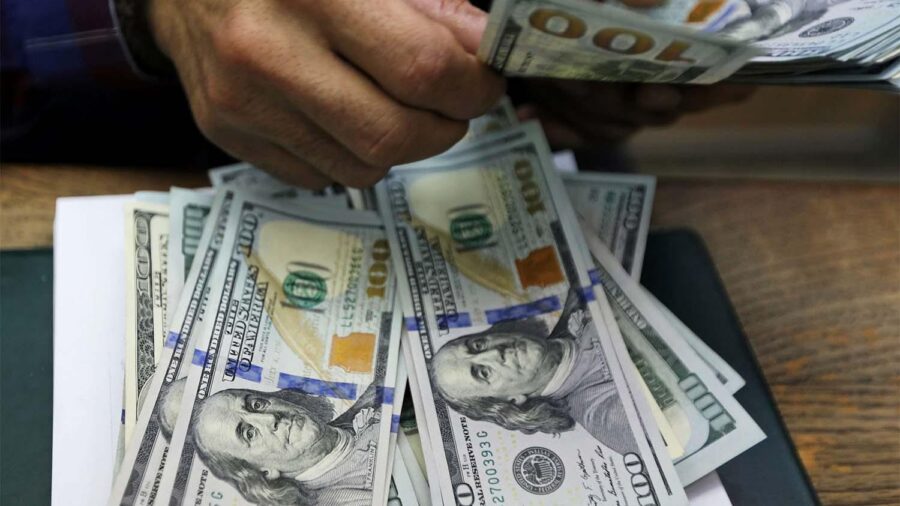
Egyptians living and working abroad sent $47.3 billion home during the 2025/26 fiscal year, a significant recovery that follows a period of decline. Data from the Central Bank of Egypt (CBE) shows this figure represents a 29.6% increase from the $36.5 billion recorded during the previous fiscal year.
The shift from unofficial channels
The recent growth contrasts sharply with 2023, when recorded remittances dropped to $19.5 billion. Analysts at the World Bank previously identified the gap between Egypt’s official exchange rate and the parallel market as the primary cause for the dip. During that time, many transfers moved through unofficial channels to secure better rates, leaving those funds outside official statistics.
This trend shifted following policy changes in March 2024. The CBE implemented a 600-basis-point interest rate hike and unified the official and parallel exchange rates. The International Monetary Fund supported these measures, noting they signaled a move toward a flexible exchange-rate regime. Following these reforms, official remittance flows began to climb. By 2025, calendar-year remittances reached $41.5 billion, the highest total recorded by the World Bank since its tracking began in 1977. Remittances now account for 11.4% of Egypt’s gross domestic product, up from 4.9% in 2023.
Cost and impact
The cost of sending money remains a factor for the Egyptian diaspora. According to the World Bank’s Remittance Prices Worldwide survey from the third quarter of 2025, the average cost to send $200 varied by region. Transfers from Kuwait cost 3.33%, while those from the United Arab Emirates averaged 3.70%. Costs were higher for transfers from Saudi Arabia at 5.15% and the United States at 5.36%.
These inflows currently outpace other major revenue streams. In the 2025/26 fiscal year, tourism generated $18.4 billion, while the Suez Canal provided $4.4 billion. Combined, these two sectors brought in less than half the total value of remittances.