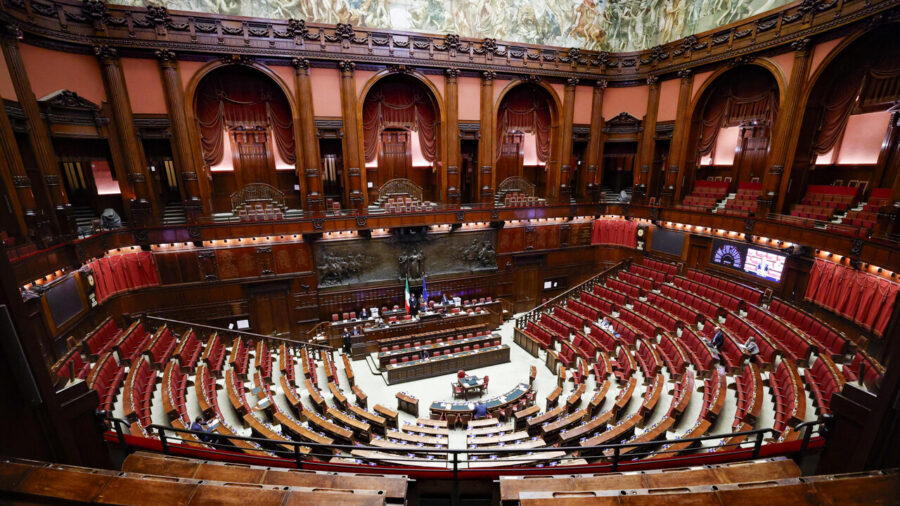
The Italian Chamber of Deputies has approved a government decree aimed at increasing transparency in fuel pricing. The legislation passed with 164 votes in favor, 109 against, and three abstentions. The bill now moves to the Senate for final approval.
New Transparency Measures
The decree mandates that gas stations across Italy display both the average national fuel price and their own retail price. This measure is intended to provide consumers with clearer information before they choose where to refuel. The government introduced the policy in response to concerns regarding rising costs at the pump and potential price speculation.
Under the new rules, service stations on highways must display the national average price alongside their specific prices. Stations located on ordinary roads will have to post these averages as well. Failure to comply with the new reporting requirements could result in fines. Additionally, the government has included provisions to monitor price fluctuations more closely and allow for interventions if market anomalies are detected.
Legislative Process and Impact
The decree has faced scrutiny during the parliamentary debate. Opposition members questioned the efficacy of the measures, arguing that price transparency alone may not be sufficient to curb inflation or reduce costs for motorists. Government representatives, however, maintained that the transparency requirements are necessary to protect consumers and ensure a competitive market environment.
The Senate is expected to review the text in the coming days. If the Senate approves the decree without amendments, it will be converted into law. If changes are made, the bill will return to the Chamber for a final vote.
Why it matters: This legislation represents a direct government intervention into the retail energy market. For consumers, it aims to standardize information, potentially creating downward pressure on prices through increased competition. For Italy, it serves as a test case for how national policy can address volatile energy costs amidst broader European economic uncertainty.