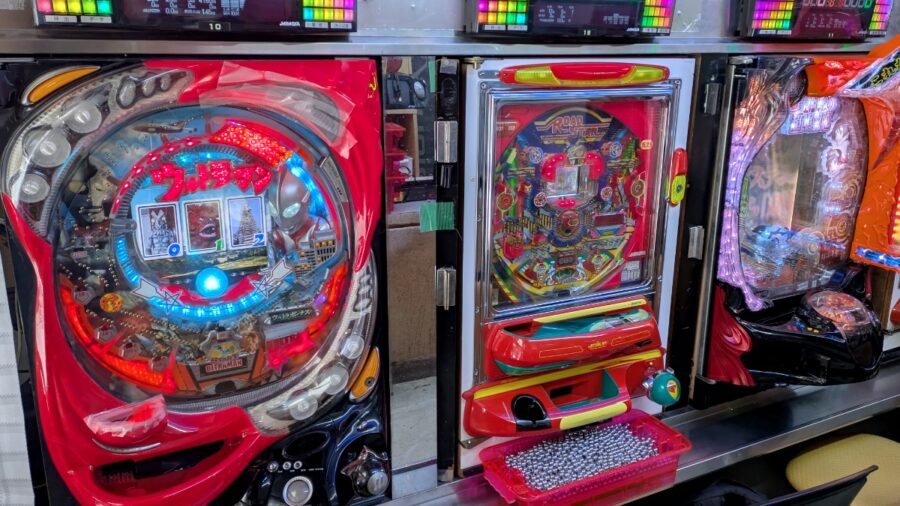
A pachinko parlor operator in Japan has been arrested following allegations that the establishment failed to sufficiently conceal its role in the industry’s complex cash-payout system. Police intervened after determining the parlor’s operations violated strict legal boundaries regarding gambling.
The ‘Three-Store’ Loophole
Pachinko parlors are ubiquitous across Japan, drawing thousands of daily patrons. While the game is technically classified as entertainment rather than gambling, the industry relies on a workaround known as the “santen hoshiki,” or “three-store system.” Under Japanese law, parlors cannot award cash prizes. Instead, players receive metal balls, which can be exchanged for “special prizes” within the facility. These prizes, often small cards containing gold, are then traded for cash at a separate, nearby business.
This system operates on the premise that the parlor and the prize-exchange shop are independent entities. The prize-exchange shop then sells the items to a third-party wholesaler, who sells them back to the parlor, completing a cycle that generates tax revenue for the government. This arrangement allows the gambling-adjacent activity to remain technically legal.
Regulatory Enforcement
Authorities have historically tolerated this circular trade model, provided the separation between the parlor and the exchange shop remains distinct. However, the arrest highlights a crackdown on operators who fail to maintain the appearance of independence between these businesses. When the lines between the parlor and the prize-exchange shop blur, the arrangement loses its legal protection, leaving operators vulnerable to gambling-related charges.
Japan maintains strict prohibitions against most forms of gambling, with exceptions limited to government-run events like horse racing, boat racing, bicycle racing, and the lottery. Recent legislation has allowed for limited, strictly managed casinos within integrated resorts, but the broader prohibition remains enforced.