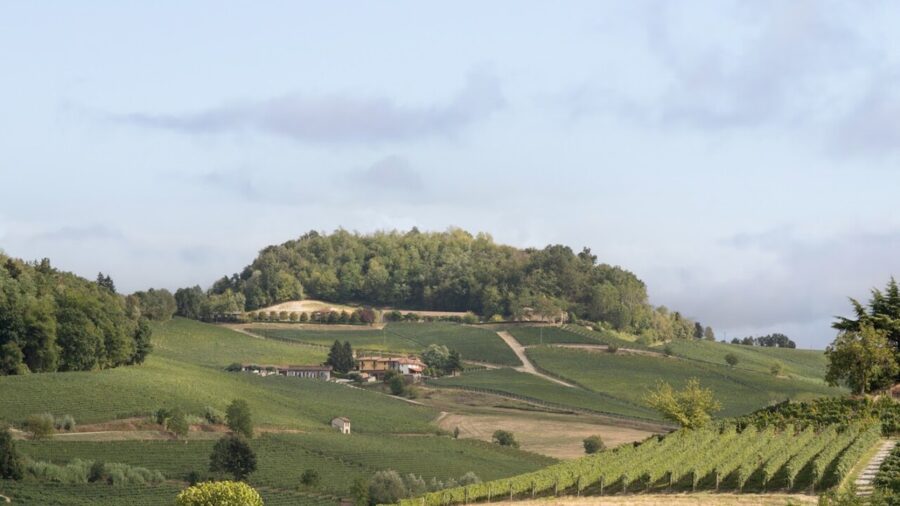
A new contemporary art institution, the Vezza Foundation, has opened in Monforte d’Alba, located within Italy’s Langhe region. The organization was established by Sandra and Charley Vezza to support and promote contemporary artistic practices.
Foundation Focus and Mission
The institution is situated in the Piedmont area, a region historically known for its viticulture and culinary traditions. By establishing the foundation in Monforte d’Alba, the founders aim to integrate contemporary art into the local landscape. The facility serves as a venue for exhibitions, research, and cultural engagement, focusing on the development of modern creative works.
Sandra and Charley Vezza have structured the foundation to function as a hub for artists and the public. While specific programming details remain forthcoming, the organization intends to host rotating exhibitions and educational initiatives. The site functions as a dedicated space for the display of contemporary collections, emphasizing the intersection of rural heritage and modern aesthetic expression.
Establishing a Cultural Landmark
The Langhe region, a UNESCO World Heritage site, primarily draws visitors for its wine and gastronomic tourism. The introduction of the Vezza Foundation adds a dedicated contemporary art component to the area’s cultural infrastructure. The founders have stated that the institution is committed to fostering dialogue between international art movements and the local community.
Why it matters: The creation of the Vezza Foundation represents an effort to diversify the cultural offerings of the Langhe region beyond its established agricultural and tourism sectors. For international observers and cultural stakeholders, this development signals a growing trend of private investment in arts infrastructure within rural European landscapes, providing a model for how heritage-rich areas can accommodate modern cultural institutions.