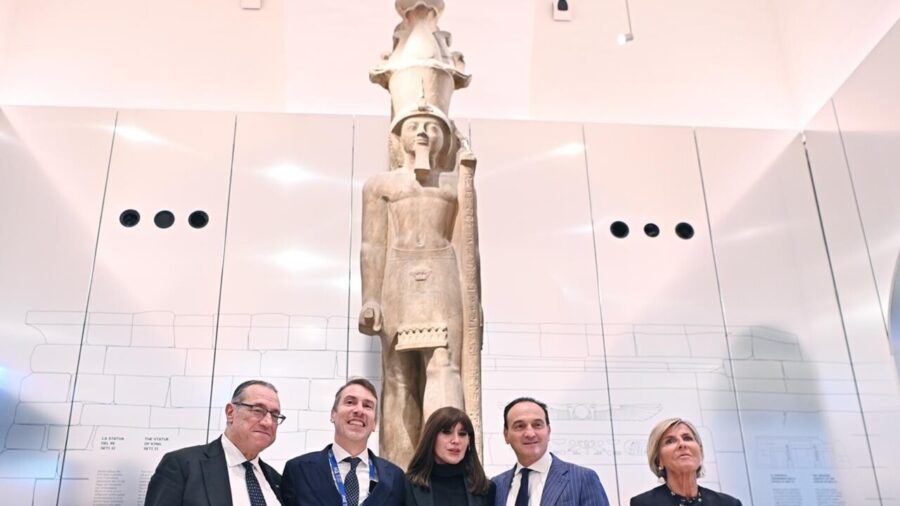
The Italian government is set to designate the Egyptian Museum in Turin as a public research institution during a Council of Ministers meeting scheduled for Monday. Culture Minister Alessandro Giuli announced the upcoming legal status change, which aims to formalize the museum’s role in academic and scientific study.
Evelina Christillin, the president of the museum, said the institution has spent nine years working toward this designation. The shift to a public research body is expected to alter the museum’s administrative framework, potentially impacting its governance and funding structure while elevating its status within Italy’s national research network.
Institutional Recognition
The Egyptian Museum, known as the Museo Egizio, houses one of the world’s most significant collections of Egyptian antiquities. By achieving the status of a public research entity, the institution will gain formal recognition for its ongoing archaeological and historical work. This classification typically provides museums with greater access to state research grants and facilitates deeper collaboration with universities and international scientific organizations.
The move aligns with broader efforts in Italy to integrate major cultural institutions more closely with the national scientific system. For the Turin facility, the transition represents the culmination of a long-term strategic plan to modernize its operations and solidify its reputation as a hub for Egyptology.
Next Steps
Following Monday’s expected approval by the Council of Ministers, the museum will begin the transition process to align its internal bylaws with the new legal requirements for public research institutions. Further details regarding the specific administrative adjustments are expected to be released by the Ministry of Culture after the meeting.
Why it matters: This change grants the Egyptian Museum in Turin official recognition as a scientific authority. It strengthens the museum’s capacity to collaborate on international research projects, ensuring that its vast collection of artifacts remains central to ongoing studies of ancient Egyptian history and culture.