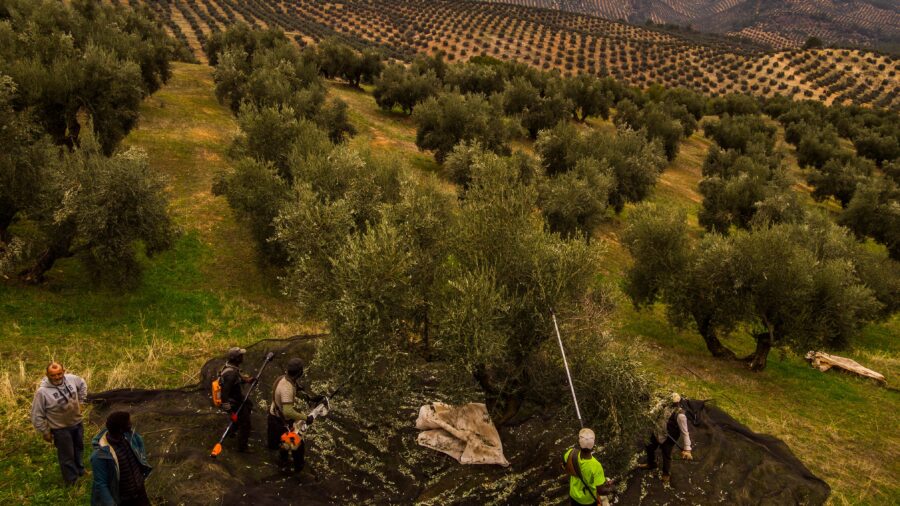
The Spanish olive oil sector is divided following the implementation of a new regulatory measure aimed at stabilizing market prices. The government has activated a mechanism requiring the withdrawal of 12% of the current olive oil production from the market to control supply levels.
Friday, October 25
Authorities officially activated the regulation, which mandates the withdrawal of 188,000 tons of olive oil. This measure is designed to prevent a potential collapse in market prices by reducing the immediate supply available for sale.
The Industry Response
Agricultural organizations and oil producers have described the initiative as a historic development. They support the move as a necessary intervention to maintain price stability for growers. Conversely, the refining and packaging industry has expressed strong opposition to the mandate. Industry representatives have labeled the regulation disproportionate and have announced plans to file an administrative appeal to halt its enforcement. Packers argue that the policy could negatively impact the global competitiveness of Spanish olive oil.
Current Status
The regulation remains in effect despite the legal challenge initiated by the packaging sector. The conflict highlights the tension between producers seeking price protection and industrial processors concerned with market fluidity and export costs.
Why it matters: This regulatory shift directly impacts one of Spain’s most significant agricultural exports. For global markets, including importers in the Middle East and Egypt, the policy could influence future supply availability and pricing for Spanish olive oil, a key commodity in the region’s food supply chains.