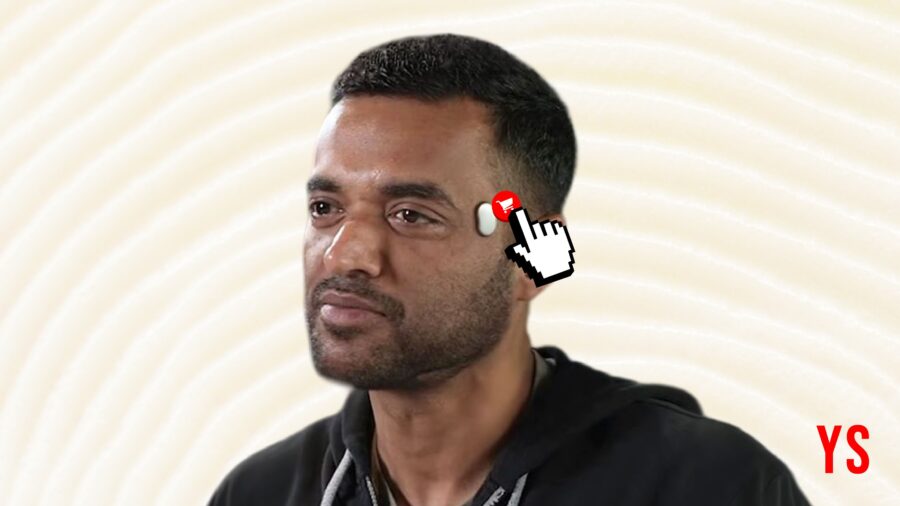
Deepinder Goyal, founder of health‑tech startup Temple and vice‑chairman of Eternal, used X on Friday to counter criticism from several Indian doctors who labeled his brain‑monitoring wearable a scam.
Goyal described Temple as an “ambitious project” and said the team believes it can deliver the promised technology. He added that the first 10,000 customers will not be required to pay a subscription to use the device.
The dispute began on Thursday when doctors accused Temple of making unfounded health claims. Goyal replied that “if Temple were a scam, people would know it in just a few days of using Temple” and pointed to a 14‑day no‑questions‑asked return policy. He warned that a failed product would cause the company to collapse before recouping a fraction of its research and development costs.
Financial backing and development timeline
Goyal said $30 million has been invested in Temple, including $20 million of his own money. He emphasized that the funding is not intended for profit, stating, “I have enough of it to last for generations. My incentives are fully aligned with getting the science right.”
He compared Temple’s validation process with that of other wearables such as Whoop, which released its fitness band in 2015 but published peer‑reviewed validation studies years later. Goyal said Temple is pursuing a higher standard, with pre‑print papers already in preparation and independent studies expected once the device reaches users.
Product classification and future claims
Goyal clarified that Temple is marketed as a fitness and wellness tracker, not a medical device. He said any future clinical validation of its metrics will be announced publicly.
He concluded by urging critics to read the company’s research in detail, accusing a few influencer doctors of spreading “twisted facts” for viewership.
Why it matters: The debate highlights the challenges new health‑tech firms face in gaining medical credibility in India and the broader Middle East, where wearable devices are increasingly adopted for personal health monitoring.