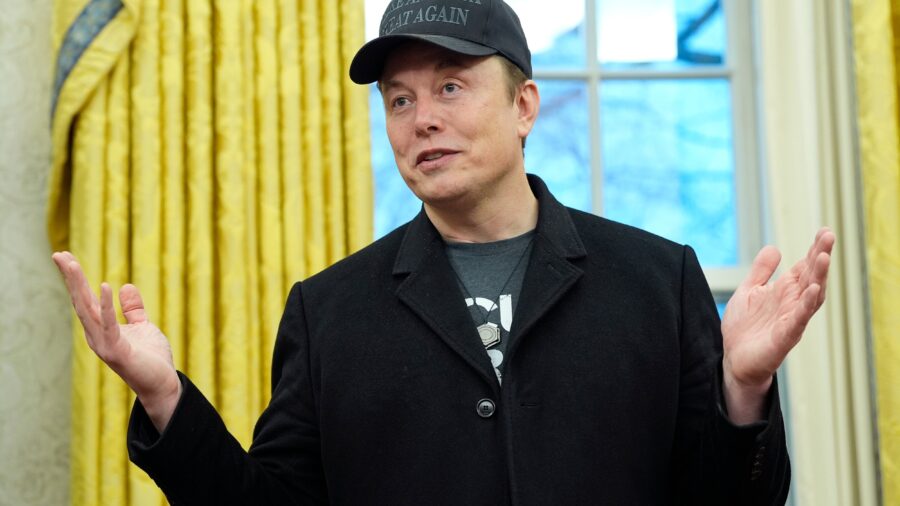
The political influence of former U.S. President Donald Trump and his prominent ally, billionaire Elon Musk, appears to be waning following the recent midterm election results in the United States. Analysts suggest the election outcomes indicate a significant setback for the MAGA movement, signaling a potential conclusion to a decade of Trump’s dominant political role.
The Limits of Wealth and Influence
Elon Musk, often described as a key economic and political partner to Trump, has also faced setbacks. Market valuations associated with Musk’s various ventures have declined, reflecting a broader cooling of the “Muskism” phenomenon. The Wall Street Journal, a publication traditionally supportive of capitalist interests, recently noted that financial wealth does not guarantee political or social outcomes, even for the world’s wealthiest individual.
While Trump’s movement may persist in a diminished capacity, the election results have curtailed his ability to dictate the political agenda as he once did. The alignment between Musk’s business interests and Trump’s political platform has faced scrutiny, with market observers noting a decrease in the perceived value of their combined influence.
The Future of Political Alliances
The long-term impact on the MAGA movement remains to be seen, though experts argue the momentum behind it has stalled. The political landscape is shifting, and the reliance on high-profile, polarizing figures may no longer yield the electoral success previously observed.
Why it matters: This trend highlights the shifting dynamics within American politics, where the influence of billionaire donors and populist figures is being re-evaluated following electoral losses. For international observers, particularly in the Middle East and Egypt, the potential decline of these political forces suggests a transition in U.S. policy priorities that could alter diplomatic and economic relations moving forward.