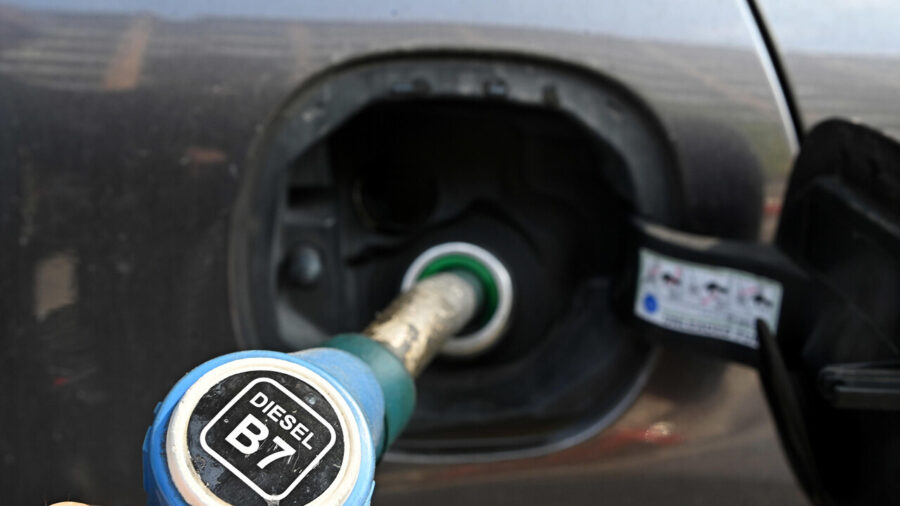
Italian motorists face rising fuel costs starting November 8 as the government has not extended the temporary reduction on diesel excise duties. The measure, which had been in effect since October 28, expired at the end of the day on November 7.
Official government gazettes published through early November did not contain provisions to renew the tax relief. The expiration means fuel prices at the pump will return to levels set prior to the intervention.
Background on Fuel Taxation
The temporary cut was implemented as a short-term response to volatility in energy markets. Such measures are typically designed to provide immediate relief to consumers and logistics sectors facing inflationary pressure. The Italian government frequently adjusts excise duties—known as accise—in response to crude oil fluctuations, though these adjustments are often constrained by budgetary requirements and European Union fiscal directives.
The brief duration of this specific cut highlights the government’s current fiscal strategy regarding energy subsidies. By allowing the measure to lapse, authorities have signaled a return to standard taxation levels, despite ongoing concerns regarding the cost of living and transportation expenses.
Implications for Consumers
The end of the excise reduction will likely affect retail prices immediately. Logistics companies and individual drivers will see the cost of diesel return to the higher rates established before the late October intervention. Market analysts note that fuel prices in Italy remain sensitive to international supply chain disruptions and global demand, which continue to influence domestic pricing structures.
Why it matters: The expiration of the fuel tax cut directly impacts household budgets and the operating costs of the transportation sector in Italy. As energy prices remain a central concern for the Mediterranean region, this policy shift illustrates the ongoing challenge of balancing fiscal discipline with the need to mitigate inflationary pressures on essential goods.