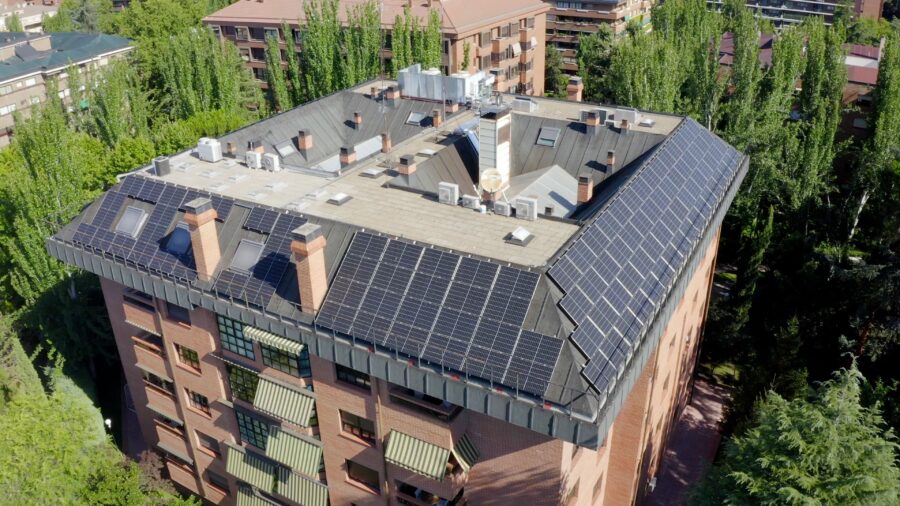
Thousands of residential buildings continue to rely on obsolete oil and gas heating systems, leaving occupants vulnerable to volatile energy prices as winter approaches. Despite the availability of government subsidies and European regulatory pressure, roughly 1.5 million homes remain dependent on fossil fuel boilers.
Global Conflict Impacts Local Heating Costs
The persistence of these older systems creates financial risks for property owners. Heating costs are increasingly tied to geopolitical instability in distant regions, such as recent tensions in the Strait of Hormuz. These international conflicts frequently disrupt supply chains, causing sudden fluctuations in the price of fossil fuels. When these costs rise, the impact is felt directly in the boiler rooms of residential complexes that have yet to transition to more efficient, modern alternatives.
Regulatory and Economic Pressures
European authorities continue to push for the modernization of residential heating infrastructure. Regulatory bodies are incentivizing the move away from carbon-intensive fuels through various aid programs designed to offset the costs of upgrading to newer, sustainable technologies. However, the transition remains slow in many communities of property owners. Experts indicate that sticking with outdated, polluting systems not only leads to higher monthly utility bills but also complicates long-term compliance with evolving environmental standards.
Property owners currently face a choice between maintaining existing infrastructure or investing in cleaner, more stable energy solutions. Market analysts suggest that while the upfront costs for replacement can be significant, the long-term savings and insulation from global market volatility may offer financial relief.
Why it matters: The reliance on fossil fuel heating systems exposes households to unpredictable energy price spikes driven by global geopolitical events. For regions dependent on imported energy, transitioning to modernized heating infrastructure is essential to ensuring domestic energy security and stabilizing costs for residents.