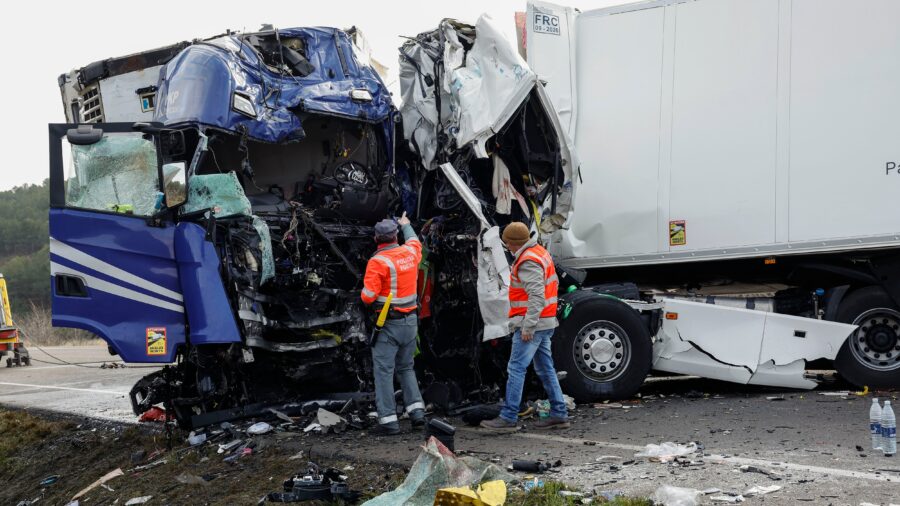
The Spanish government is concluding its legislative term without implementing a mechanism to allow early retirement for workers in the most hazardous industries. Despite an agreement signed over two years ago with unions and employers, no sector has successfully utilized the new procedure to reduce retirement ages for high-risk occupations.
Two Years Since the Agreement
More than 24 months have passed since the government, labor unions, and employer associations reached a deal to establish a process for early retirement in sectors with high mortality and injury rates. The framework was intended to provide relief for workers in physically demanding or dangerous jobs, yet the mechanism remains inactive.
Accumulated Petitions
Multiple sectors have formally requested access to these retirement benefits from the Social Security administration. These collective requests represent approximately two million employees. The government has not finalized a decision on any of the applications submitted, despite the established regulatory deadlines.
Pending Requests
The backlog includes applications submitted jointly by unions and employers, such as those in road transport, as well as petitions filed independently by labor unions. The government has missed the timelines it originally set for processing these claims, leaving the proposed retirement reforms in a state of administrative stagnation as the legislative term ends.
Current Status
The initiative to address occupational health through early retirement remains stalled. With the legislative period closing, the government has yet to approve a single request, leaving the future of the agreement and the status of millions of workers uncertain.
Why it matters: This inaction impacts approximately two million workers across various industries who face high risks of injury or death. The failure to implement these retirement provisions highlights a significant gap between policy promises and administrative execution, affecting labor rights and safety standards in the Spanish economy.