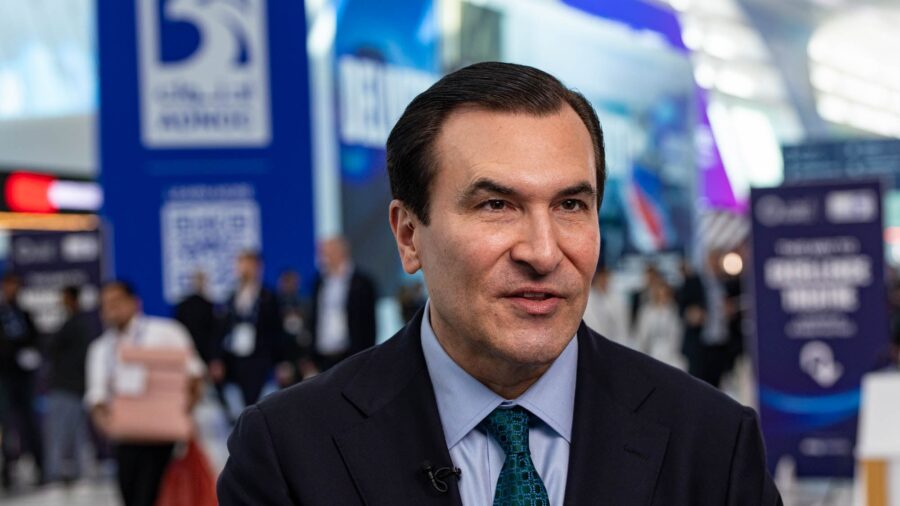
ABU DHABI — As global energy executives gathered in the United Arab Emirates last week for the ADIPEC conference, the conversation remained fixed on a single, persistent threat: the Strait of Hormuz. For the energy sector, the closure of this vital chokepoint has long represented a worst-case scenario. This year, that scenario materialized, creating what industry analysts describe as an unprecedented shock to global supply chains.
A permanent risk premium
Joe McMonigle, CEO of the Washington-based Global Energy Center, stated that the current market disruption is the most significant in recent history. Speaking from the sidelines of the Abu Dhabi International Petroleum Exhibition and Conference, McMonigle warned that the volatility will likely persist. He noted that even after the current conflict subsides, oil and gas prices will continue to carry a “risk premium” that reflects the heightened geopolitical instability in the region.
McMonigle brings decades of experience to this assessment. He previously served as secretary general of the International Energy Forum in Riyadh, vice president of the International Energy Agency, and chief of staff at the U.S. Department of Energy under the George W. Bush administration. His comments highlight the ongoing anxiety among policymakers and energy companies regarding the security of maritime transit corridors.
Future implications for global markets
The expert cautioned that any further escalation in the Strait of Hormuz would likely trigger a severe surge in commodity prices. The energy sector remains particularly sensitive to disruptions in this region, which serves as a critical artery for global oil and gas shipments.
Why it matters: The Strait of Hormuz is a primary transit route for global energy supplies. Ongoing instability in this corridor directly impacts energy security and economic stability in the Middle East, influencing global price benchmarks and regional trade strategies for years to come.