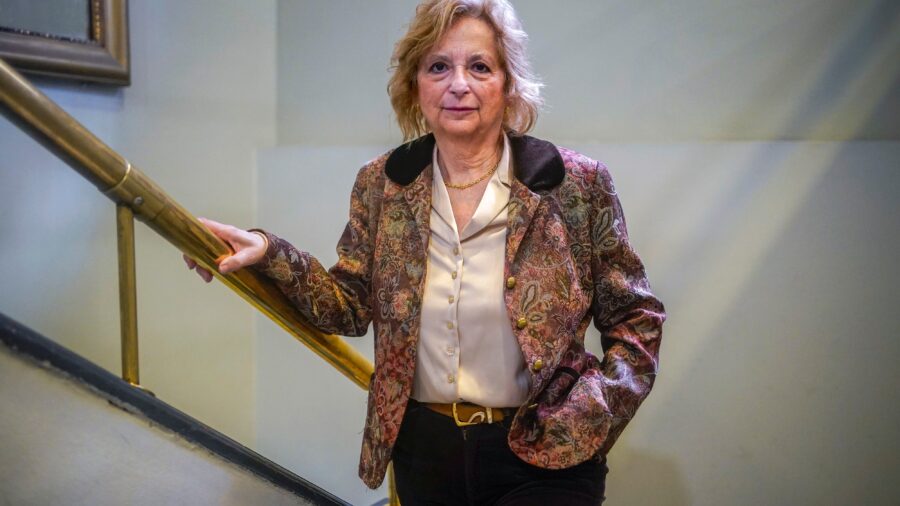
Philosopher Maria Rosa Rodriguez Magda, a prominent figure in Spanish feminist thought, has criticized political sectors for their failure to acknowledge violence against women. Rodriguez Magda, an author of approximately 30 books, focuses her academic career on contemporary thought and cultural management, positioning herself within radical feminism.
Key Takeaways
- Focus on inequality: Rodriguez Magda’s academic work centers primarily on the systemic inequalities faced by women.
- Feminist perspective: She defines feminism as the active defense of the women’s agenda.
- Political critique: The philosopher argues that right-wing political factions often fail to recognize the violence women experience.
- Extensive bibliography: Her career includes the publication of roughly 30 essay collections regarding contemporary societal issues.
- Cultural background: Beyond her philosophical writing, she has dedicated years to the field of cultural management.
Defining Radical Feminism
In her writings, Rodriguez Magda frames radical feminism as a necessary tool for addressing structural gender disparities. She consistently argues that the movement must prioritize the specific needs and protections of women. Her work serves as a theoretical foundation for those advocating for policy changes aimed at gender equality in Spain.
Critique of Political Discourse
Rodriguez Magda has publicly challenged political groups, specifically those on the right, regarding their approach to gender-based violence. She contends that these groups often lack the perspective required to identify or address the violence directed at women. Her assertions are rooted in her long-standing research into contemporary social dynamics and the evolution of feminist theory.
Why it matters: This perspective highlights the ongoing debate within European political discourse regarding gender rights and the state’s responsibility to address violence against women. Understanding these theoretical frameworks provides context for how feminist agendas are debated and implemented in modern democracies.