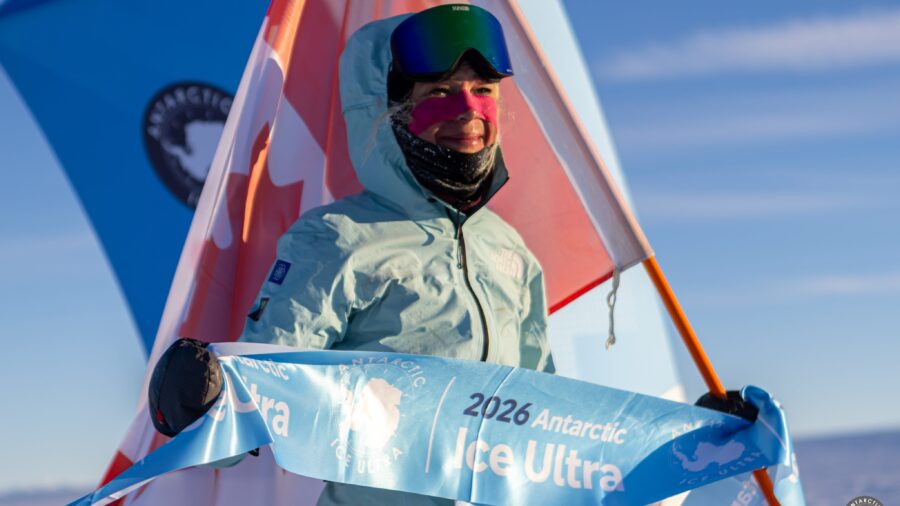
Stephanie Case has completed a 100-mile run across Antarctica, marking a significant milestone in polar exploration. Her achievement challenges historical assumptions about human endurance in the region, particularly regarding the capabilities of women in extreme environments.
1910–1913: The Scott Expedition
Explorer Apsley Cherry-Garrard documented the ill-fated South Pole expedition led by Robert Scott. In his account, The Worst Journey in the World, Cherry-Garrard described severe conditions, including plummeting temperatures and low visibility. The expedition members struggled to locate supply caches, ultimately resulting in the deaths of those who reached the final post.
1969–1983: Exclusionary Policies
For much of the 20th century, women were barred from scientific expeditions in Antarctica. United States authorities prohibited women from participating until 1969. British authorities maintained a similar exclusion policy until 1983. Officials at the time cited concerns regarding physical and mental resilience in cold, isolated conditions as the primary reason for these restrictions.
Current Status
Case has successfully completed the 100-mile distance in the same region once deemed inaccessible to women. Her run serves as a modern counterpoint to the historical narratives of the early 20th century, demonstrating that endurance athletes can operate in the Antarctic climate.
Why it matters: This accomplishment highlights the shift in gender inclusion within polar exploration. It redefines historical limitations placed on women in extreme scientific and athletic pursuits, contrasting past exclusionary policies with current capabilities in harsh environments.