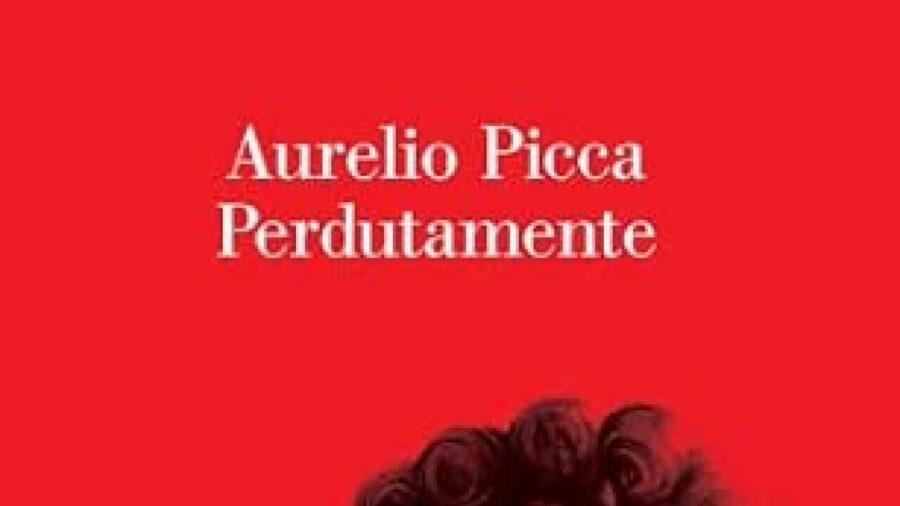
Italian author Aurelio Picca returns to the historical narrative of Mussolini’s era with his latest work, Perdutamente. The novel, set for release on November 13 by publisher La nave di Teseo, centers on the figure of Claretta Petacci.
A Focus on Petacci
Picca’s new book reconstructs the life and final days of Petacci, known primarily as the mistress of dictator Benito Mussolini. The narrative delves into the complexities of their relationship and the historical context surrounding the end of the Fascist regime in Italy. The author explores the personal and political dimensions of a woman often reduced to a footnote in the history of the Second World War.
By revisiting these events, Picca aims to provide a distinct perspective on the tragedy and isolation that defined Petacci’s later years. The publisher positions the text as a psychological study, moving beyond the standard historical accounts of the period.
Publication and Reception
The release of Perdutamente follows a series of literary works by Picca that examine Italian identity and historical trauma. Industry analysts expect the book to generate discussion regarding how contemporary Italian literature continues to grapple with the legacy of the Fascist period. La nave di Teseo has scheduled the official launch for mid-November, marking one of its significant releases for the autumn season.
The book is expected to draw interest from both academic circles and the general public, given the enduring fascination with the private lives of historical figures involved in the collapse of the Italian Fascist government. As readers prepare for the release, the focus remains on whether this fictionalized account will offer new insights into a well-documented historical tragedy.
Why it matters: This story highlights the persistent influence of 20th-century European history on contemporary Italian culture. By focusing on Claretta Petacci, the novel reflects a broader trend of re-examining the personal lives of historical figures to understand the human cost of political upheaval and authoritarian regimes.