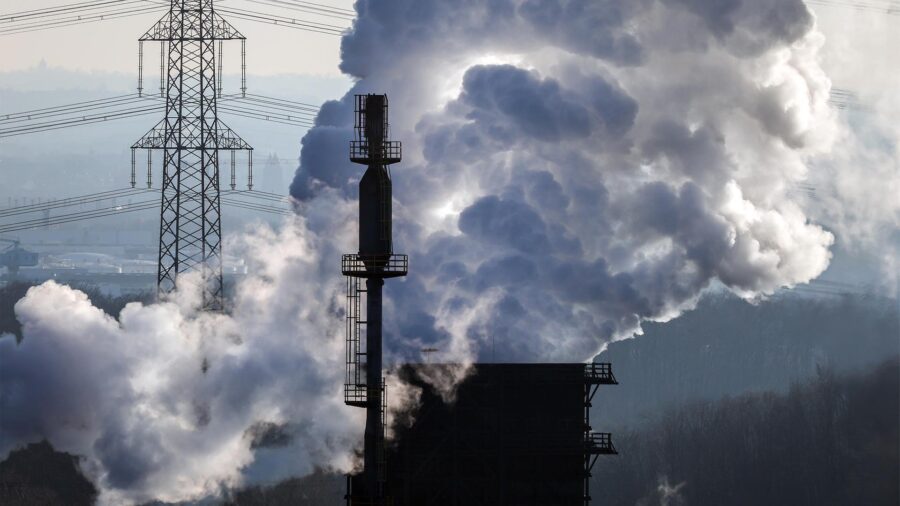
Latest data indicate a modest decline in global fossil‑fuel CO2 emissions, a development noted as the United Nations climate conference explores pathways away from carbon‑intensive energy sources.
Key takeaways
- Emission trend: Fossil‑derived CO2 output has edged lower in the most recent reporting period.
- Conference focus: Delegates at the UN climate summit are prioritising strategies to reduce reliance on coal, oil and gas.
- Expert caution: Analysts warn the downward movement may be short‑lived and not reflect a lasting shift.
- Data source: The figures come from a new research report released by an unnamed research team.
- Author attribution: The report was summarized by journalist Simon Plentinger.
Emission dip
The research report shows a slight reduction in CO2 emissions generated from fossil fuels compared with the previous year. The decline is measured in absolute terms, though the report does not specify the exact magnitude.
UN conference agenda
At the current UN climate conference, member states are discussing mechanisms to accelerate the transition to renewable energy, improve energy efficiency and phase out subsidies for fossil fuels. The modest emission drop is being watched as a possible early indicator of policy impact.h2>Expert perspective
Energy analysts cited in the report caution that the decrease could be a temporary effect caused by short‑term factors such as economic slowdown or seasonal variations. They stress that sustained reductions will require structural changes in energy production and consumption.
Why it matters
Why it matters: A measurable fall in fossil‑fuel CO2 emissions signals progress toward global climate goals, but the warning that the trend may be fleeting underscores the urgency for Middle‑East and Egyptian policymakers to adopt durable, low‑carbon energy strategies.