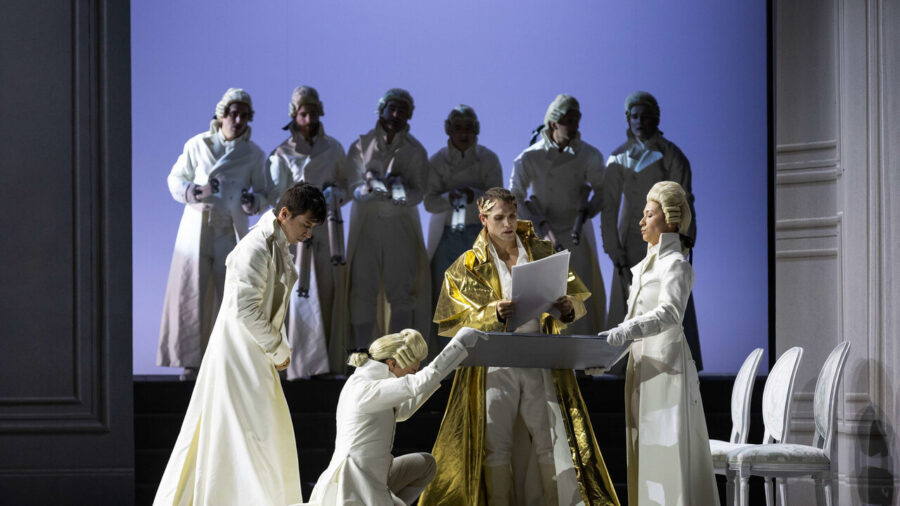
The Teatro Alighieri in Ravenna will transform into a stage for the final chapter of Wolfgang Amadeus Mozart’s life this November. As part of the annual Autumn Trilogy, the festival will present a series of performances titled “Mozart 1791,” marking the composer’s last year before his death.
A Focus on Mozart’s Final Year
The Ravenna Festival, a fixture in the Italian cultural calendar, has scheduled the productions to run from November 13 through November 17. The project aims to explore the artistic output of the Austrian composer during the period leading up to his passing in December 1791.
Chiara Muti and conductor Ottavio Dantone will lead the productions. Muti, known for her directorial work in opera and theater, will collaborate with Dantone, a specialist in Baroque and Classical repertoire, to interpret the works created during Mozart’s final months. The selection reflects the intensity and complexity of the music composed while Mozart was working on his final masterpieces, including his Requiem.
Programming and Festival Context
The Autumn Trilogy is a core component of the Ravenna Festival, designed to offer audiences a focused thematic experience. By narrowing the scope to a single year in a composer’s life, organizers intend to provide a deeper understanding of the influences and circumstances surrounding the music. The Teatro Alighieri serves as the primary venue for these performances, continuing its long-standing role as the hub for the festival’s operatic offerings.
Organizers have not yet released the full schedule of specific operas or concerts included in the “Mozart 1791” program, but the focus remains on the historical significance of that final year. Tickets for the November dates are expected to go on sale as the festival finalizes its logistics.
Why it matters: This production offers a critical look at the final creative output of one of history’s most influential composers. For audiences, it provides a rare opportunity to contextualize Mozart’s late-period works within the specific timeline of his life, highlighting the endurance of his compositions centuries after their creation.