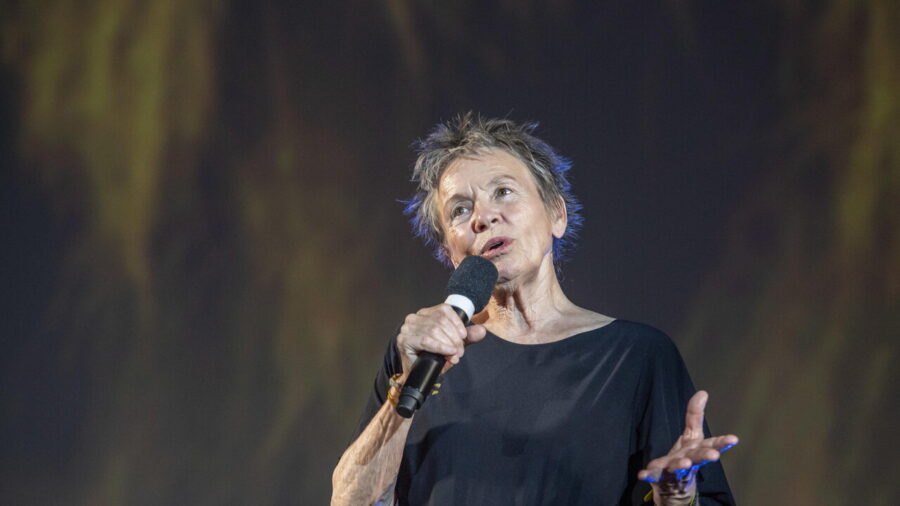
The Venice Biennale 2026 is entering its final ten days of operation, with organizers preparing a series of closing events to mark the conclusion of the exhibition. The program for the final stretch features a collection of performances, public debates, and a collaborative assembly involving ten international organizations.
Closing Events and Programming
The final phase of the Biennale focuses on collaborative discourse and live art. A central component of the conclusion is an assembly that will bring together representatives from ten different organizations. This gathering aims to synthesize discussions that have occurred throughout the exhibition period and provide a platform for institutional dialogue.
In addition to the assembly, the Biennale has scheduled a variety of performances and debates. These events are designed to offer a summary of the themes explored during the 2026 edition, providing attendees with opportunities to engage directly with the artists and curators responsible for the current showcase.
Context and Scope
The Venice Biennale remains one of the most significant events in the global contemporary art calendar. Since its opening, the 2026 edition has hosted numerous national pavilions and independent projects, drawing international visitors to the city. The final ten days represent the last opportunity for the public to view the installations and participate in the official programming before the exhibition closes its doors.
Why it matters: The conclusion of the Venice Biennale serves as a barometer for the current state of the global art market and cultural discourse. For international observers, including those in the Middle East and Egypt—where art scenes are increasingly integrated into global exhibition circuits—the final assembly highlights the importance of cross-organizational collaboration in shaping future cultural policy and exhibition standards.