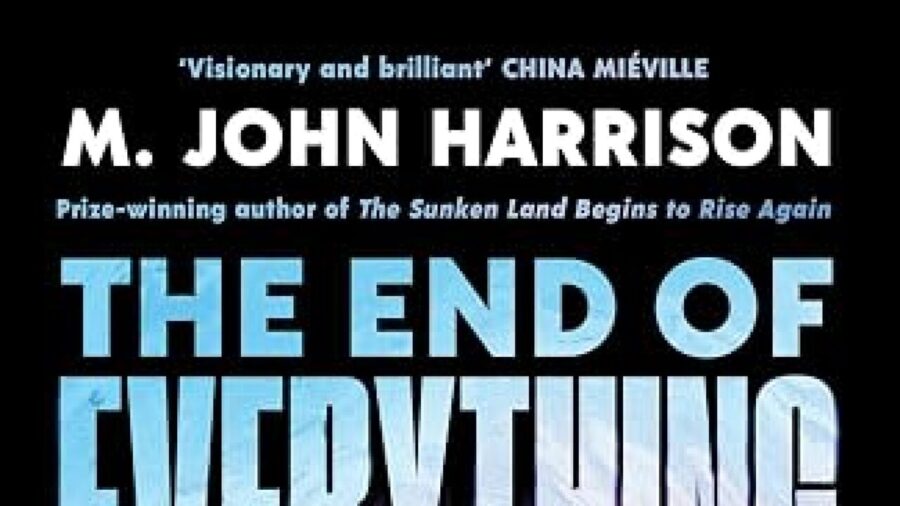
At a subdued ceremony in London, 78‑year‑old Harrison accepted the Booker Prize, his hands trembling as he lifted the trophy.
The award marks the oldest age ever recorded for a Booker winner. Harrison, a longtime figure in science‑fiction circles, triumphed with his novel The End of Everything, a narrative that explores a world after both ecological collapse and the fall of artificial intelligence.
The novel, published earlier this year, follows a fragmented society grappling with the remnants of autonomous machines that once governed daily life. Critics have highlighted its stark portrayal of humanity’s reliance on technology and the moral dilemmas that arise when that technology ceases to function.
Booker judges cited the work’s “unflinching vision of a post‑AI era” and its “mastery of speculative storytelling.” The decision was announced on Thursday, ending a shortlist that included three debut authors and a historical drama.
Reactions from the literary community were swift. The UK Writers’ Guild issued a statement praising the prize for recognizing “the evolving boundaries of genre fiction.” Meanwhile, some traditionalists expressed surprise, noting that the Booker has rarely honored science‑fiction titles.
Harrison’s win may signal a shift in the prize’s criteria, reflecting broader acceptance of speculative narratives within mainstream literature. Sales of The End of Everything surged by 150 percent in the week following the announcement, according to publishing data.
Industry analysts suggest that the accolade could open doors for other genre authors seeking literary recognition, potentially reshaping publishing strategies across the UK and beyond.
Why it matters: The Booker’s endorsement of a post‑apocalyptic, post‑AI novel underscores the growing relevance of speculative fiction in addressing contemporary anxieties. For readers in the Middle East and Egypt, where rapid technological change intersects with environmental challenges, the story’s themes resonate with regional concerns about sustainability and the future of artificial intelligence.