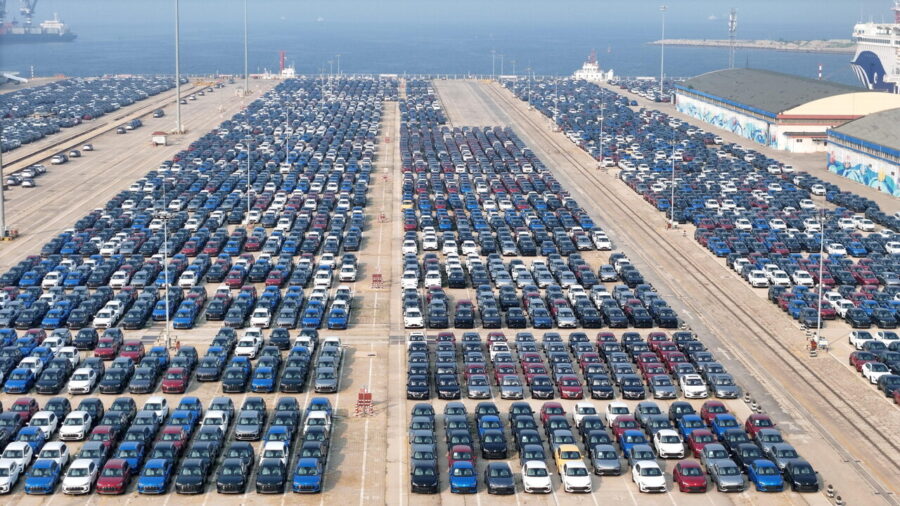
China’s domestic automotive market faces a significant contraction, with annual sales projected to fall below 19 million units by 2026. This forecast marks the lowest level of internal demand for vehicles in the world’s largest car market since 2014.
Shifting Market Dynamics
The China Association of Automobile Manufacturers (CAAM) released the data, highlighting a fundamental shift in the industry’s growth model. As domestic consumption cools, manufacturers are increasingly pivoting toward international trade to maintain production volumes. The association noted that the industry is becoming heavily reliant on export figures to offset the stagnation occurring within China’s borders.
Industry Reliance on Exports
Automakers are responding to the domestic decline by aggressively expanding their footprint in overseas markets. This strategy has turned China into a global export powerhouse, but industry analysts warn that this reliance creates vulnerabilities. Trade barriers and fluctuating demand in foreign nations could disrupt the current export-led growth strategy if global economic conditions worsen.
While the transition has allowed Chinese manufacturers to maintain high production output despite local saturation, the long-term sustainability of this model remains under scrutiny. The cooling domestic demand reflects broader economic headwinds and changes in consumer purchasing behavior across the country.
Why it matters: As the world’s largest automotive market, China’s domestic slowdown signals a major shift in global supply chains. For countries in the Middle East and Egypt, which are increasingly importing Chinese vehicles, this trend suggests a continued influx of affordable Chinese models as manufacturers prioritize foreign buyers over a shrinking local consumer base.