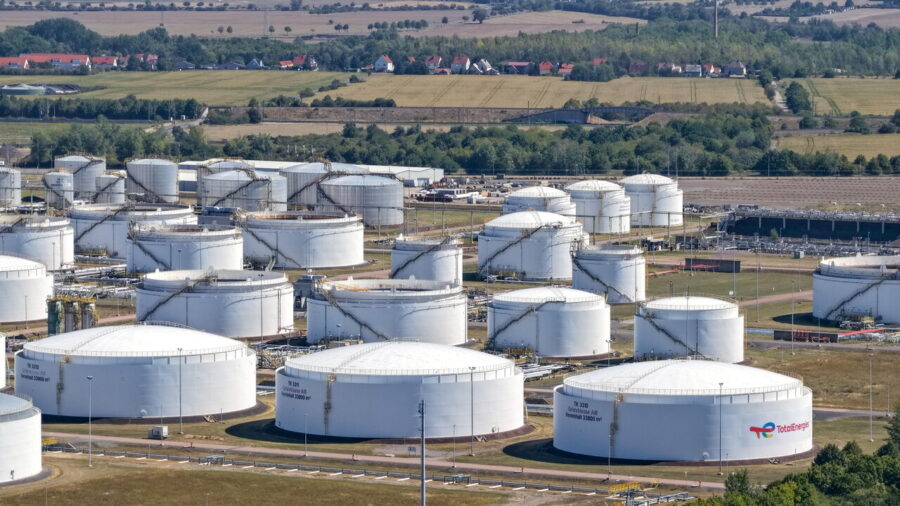
The European Central Bank (ECB) has identified profit margins in the refining sector as a primary driver of current inflation rates across the eurozone. The central bank is now focusing its scrutiny on the pricing of diesel and gasoline, according to recent data.
Impact on Energy Markets
The ECB report highlights a significant shift in the energy supply chain. Imports into the European Union have fallen by more than 50 percent. This reduction in volume coincides with a sharp increase in profitability for energy firms. The data indicates that margins for these companies have doubled during the period under review.
Focus on Refining Costs
The central bank’s analysis suggests that the cost of refining crude oil into usable fuel products is exerting upward pressure on consumer prices. While global energy markets have fluctuated, the sustained high cost of fuel at the pump is increasingly linked to the profitability of refineries rather than solely the price of raw crude oil.
The ECB is monitoring these developments closely as part of its broader assessment of inflationary pressures. The banking authority has indicated that the widening gap between raw energy costs and final retail prices remains a point of concern for monetary policy makers.
Why it matters: The findings highlight how structural shifts in energy refining and supply chains directly impact household purchasing power. For regions dependent on imported energy, the doubling of refinery margins underscores a vulnerability to corporate pricing strategies that can keep inflation elevated even when raw material costs stabilize.