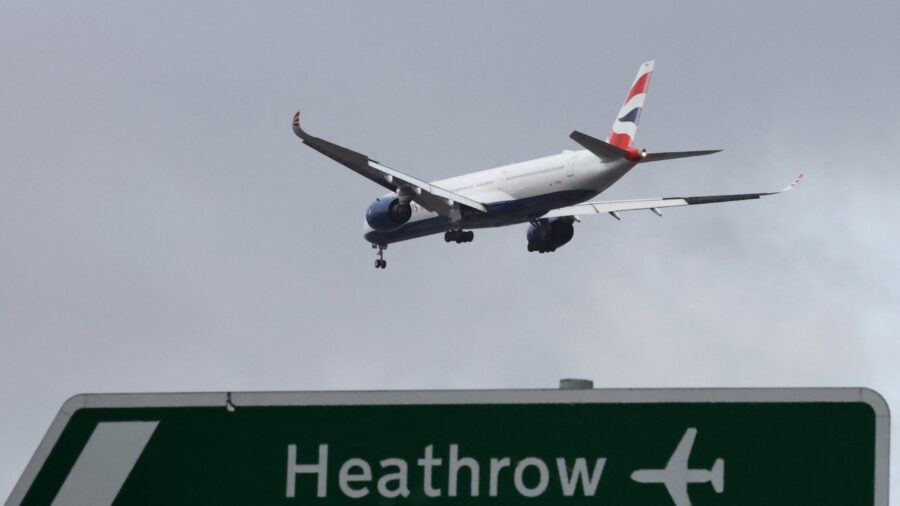
“Control what you can control” has become the prevailing strategy for European airlines facing a volatile economic landscape. Last week, major carriers including Air France-KLM and Lufthansa reported positive developments regarding ticket pricing, non-fuel costs, and the balance between seat supply and demand for the upcoming winter season and next year.
Operational Improvements
The industry’s focus on internal management is yielding results. Executives highlighted stable demand metrics, suggesting that current capacity adjustments are aligning well with passenger interest. By managing operational expenses excluding fuel, these airlines are attempting to insulate their bottom lines against external shocks. These efforts reflect a broader industry push to stabilize finances after years of post-pandemic recovery.
External Risks Persist
Despite these operational gains, the sector faces significant headwinds. Analysts point to the ongoing conflict involving Iran as a primary source of unpredictability for the industry. This geopolitical instability threatens to disrupt travel routes and increase operational costs, potentially offsetting gains made through capacity management.
Furthermore, broader market conditions complicate the outlook. Stock markets, currently driven heavily by investments in artificial intelligence, have created an environment where airline stocks struggle to gain consistent momentum. Investors remain cautious, balancing the carriers’ solid operational performance against the risk of sudden geopolitical escalation.
Moving forward, airlines will likely continue to emphasize fiscal discipline while monitoring regional security developments closely. The ability to maintain current pricing power will depend on whether geopolitical tensions subside or intensify in the coming months.
Why it matters: For travelers and investors, the situation highlights the fragility of the aviation sector in the face of Middle East instability. As airlines in Europe manage costs, the potential for wider regional conflict remains a critical variable that could impact fuel prices, flight paths, and overall stability for global transit hubs.