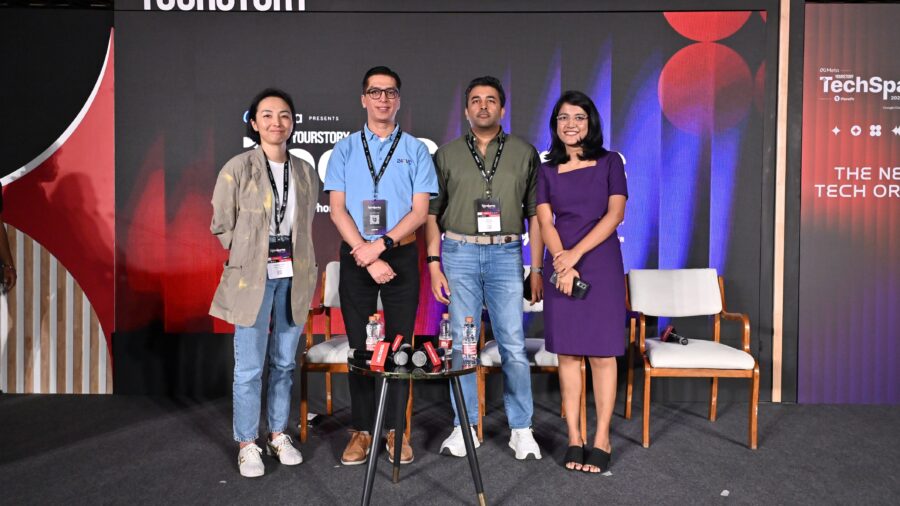
Investors are increasingly scrutinizing seed-stage startups as artificial intelligence makes it easier to build products, according to industry experts at the TechSparks 2026 panel, “First Cheque, Harder Questions: The New Seed Playbook.” While AI allows founders to develop minimum viable products and generate revenue faster, venture capitalists now require deeper proof of a company’s long-term viability.
Shifting Evaluation Metrics
Yoonmin Cho, APJ lead at Snowflake for Startups, noted that while the ecosystem is seeing renewed interest in enterprise and vertical AI, founders must prioritize business fundamentals over simple product development. Cho emphasized that a clear competitive advantage, derived from distribution or domain expertise, remains essential for securing institutional funding.
Shashank Randev, founder and general partner at 247VC, stated that AI is complicating how investors evaluate enterprise technology. Because AI tools now replace many established standalone products, predicting which companies will remain relevant over a five-year period has become more difficult. Randev added that AI has disrupted enterprise models that were stable for over a decade, forcing investors to re-examine how individual products fit into the broader value chain.
The Necessity of Differentiation
Anvesh Ramineni, venture partner at Endiya, observed that because AI technology is widely accessible, a functioning product is no longer a sufficient differentiator. He argued that founders must demonstrate what unique value they bring beyond the software itself.
Ramineni highlighted significant opportunities for Indian startups in vertical AI, particularly where they can leverage existing domain expertise. He pointed to the semiconductor industry, noting that 30% of the global semiconductor design workforce is based in India. This concentration of specialized talent could allow local firms to build competitive AI applications despite lacking the foundational AI capabilities of global leaders like OpenAI or Anthropic.