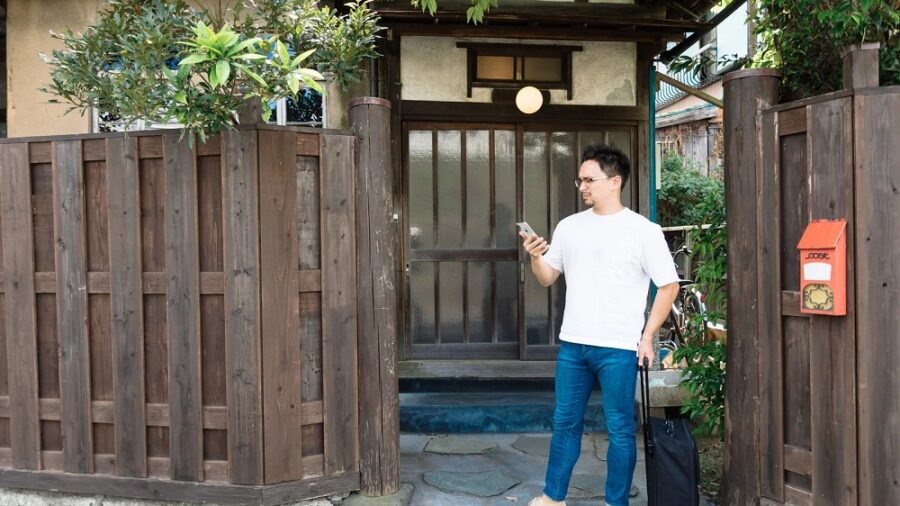
All 23 wards in Tokyo have now implemented local ordinances to restrict short-term private vacation rentals, known as minpaku. The move follows the passage of similar regulations in Kita Ward, the final district to enact such policies. As of January 7, Kita Ward prohibits new minpaku operations in residential areas unless the homeowner is present during a guest’s stay.
Regulatory Context and Local Impact
The national Private Lodging Business Law already limits minpaku rentals to 180 nights per calendar year. However, local municipalities have increasingly added stricter requirements to address resident concerns. The rise in popularity of these rentals among foreign tourists has caused tension in dense Japanese neighborhoods, where residents prioritize quiet and shared maintenance of common areas.
Local officials report that short-term guests often disregard community standards, leading to complaints about noise and improper trash disposal. Because temporary visitors lack long-term ties to the neighborhood, residents have struggled to enforce standard community etiquette. By requiring the homeowner to be present, authorities aim to increase operator accountability and ensure better integration with the surrounding community.
Future of Minpaku Operations
The sector, which grew rapidly before broad regulatory frameworks existed, now faces a fragmented landscape of local bans and operational limits. While the industry remains active, the trend toward mandatory oversight indicates a shift away from unrestricted private rentals. These measures are designed to curb the disruption caused by transient visitors in residential zones.
Why it matters: This trend highlights a global challenge in urban planning where tourism-driven housing models clash with the quality of life for permanent residents. For cities with high population density and tourism demand, including destinations in the Middle East and Egypt, Tokyo’s approach offers a model for balancing economic benefits with the necessity of maintaining neighborhood stability.