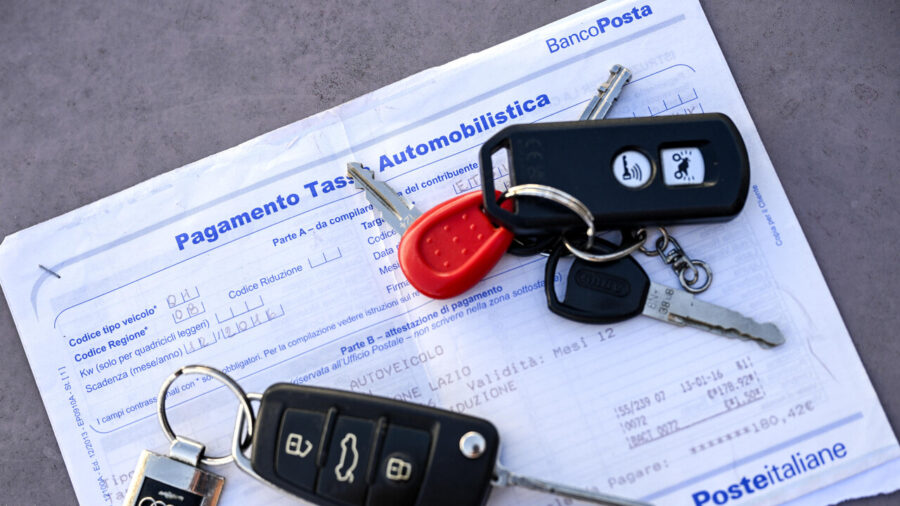
The Aosta Valley region in Italy plans to implement a mandatory direct debit system for vehicle tax payments starting in January 2028. Regional authorities intend to offer financial incentives for drivers who enroll in the automated payment program.
Key Takeaways
- Implementation timeline: The new direct debit system for vehicle tax payments is scheduled to begin in January 2028.
- Incentive program: Drivers who opt into the automated payment scheme will receive a discount on their annual tax obligations.
- Legislative requirement: The regional government must pass specific legislation to formalize the transition to automated payments.
- Payment modernization: The move aims to streamline tax collection processes for vehicle owners within the region.
Legislative Process
The transition to the direct debit model requires formal approval from the regional legislative body. Officials state that a specific law must be drafted and enacted to establish the new framework for tax collection. This legislative step will define the operational mechanics of the automated payment system and specify the exact terms for the discount program intended to encourage compliance.
Impact on Drivers
The regional administration frames the 2028 initiative as an effort to simplify administrative procedures for vehicle owners. By shifting to direct debits, the region expects to reduce delays and administrative overhead associated with manual tax filings. The proposed discount serves as a primary tool to increase public adoption of the new digital payment method before it becomes the standard procedure for the region.
Why it matters: This development highlights a broader trend toward digital governance and automated tax collection in Italy. For residents and those monitoring regional economic policies, such changes represent a shift toward greater administrative efficiency that may serve as a model for other local authorities seeking to streamline revenue collection and reduce bureaucratic friction.