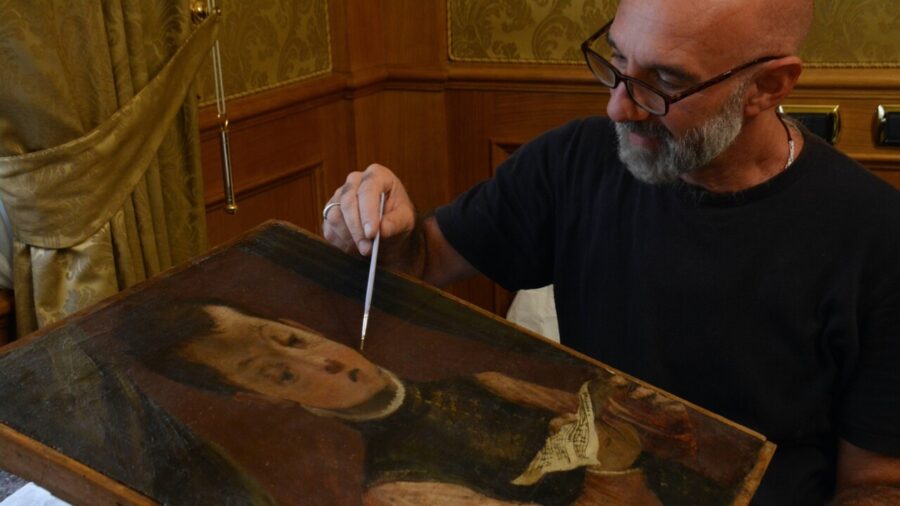
Restoration work on a significant historical painting has opened to the public at the Grand Hotel Majestic in Bologna, Italy. The project, titled “Ludovico ritrovato,” allows visitors to observe conservationists as they work on a piece by the artist Ludovico Carracci.
Preservation and Public Access
The restoration site, located within the hotel, will remain open to the public through April. Organizers have structured the project as a blend of scientific research, physical conservation, and educational outreach. Experts are conducting the restoration in a visible space, allowing hotel guests and the general public to witness the techniques required to preserve the artwork.
This initiative represents a collaboration between art historians and conservators aimed at stabilizing the painting while documenting its condition. The project emphasizes transparency in the restoration process, inviting visitors to engage directly with the professionals managing the work.
The Carracci Legacy
Ludovico Carracci was a prominent figure in the Bolognese School of painting during the late 16th and early 17th centuries. His contributions are considered central to the development of the Baroque style in Italy. The painting currently undergoing treatment is part of the cultural heritage maintained within the city, which is known for its extensive collection of Renaissance and Baroque art.
The Grand Hotel Majestic, which houses the work, has integrated this project into its programming to highlight the intersection of hospitality and cultural preservation. Staff members indicate that the site will host periodic meetings with art experts to discuss the progress and historical significance of the piece.
Why it matters: This project highlights the ongoing efforts to maintain Italy’s vast inventory of historical art in non-traditional settings. By opening the restoration process to the public, organizers are transforming private conservation work into a community educational opportunity. It demonstrates how cultural institutions can utilize public spaces to foster engagement with art history, ensuring that the techniques used to protect these works remain accessible to a broader audience.