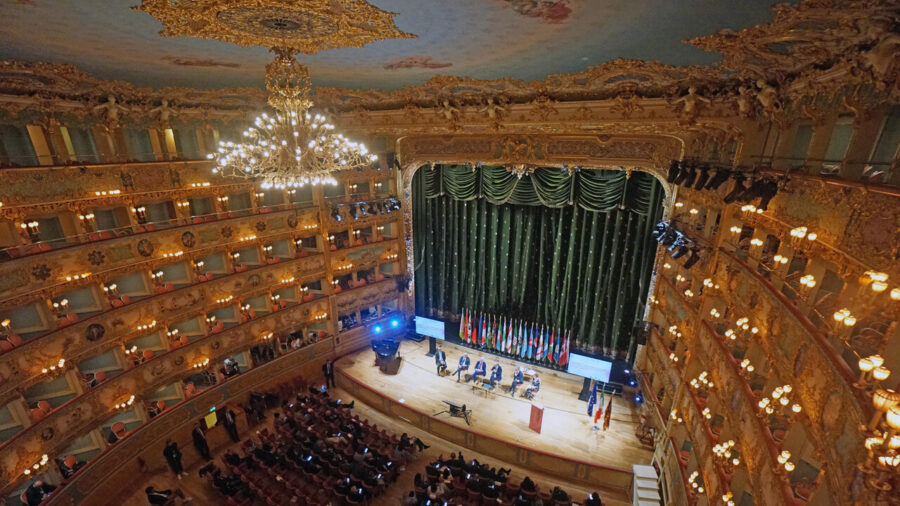
Employees at the Teatro La Fenice in Venice have scheduled two strikes for November 13 and November 28 to protest what the workers’ union describes as an excessive centralization of power within the organization. The RSU Fenice union announced the labor action this week, citing concerns regarding the current management structure.
Dispute Over Management Authority
The union has directed its criticism primarily toward the theater’s superintendent and the mayor of Venice. According to the RSU Fenice, recent administrative changes have consolidated decision-making authority, limiting the influence of staff and other stakeholders in theater operations. The union argues that this concentration of power hinders effective communication and organizational transparency.
Specific grievances outlined by the union include:
- Dissatisfaction with the current governance model led by the superintendent.
- Concerns over the mayor’s oversight of theater appointments and policy.
- A desire for greater decentralization to ensure operational efficiency.
Context of the Labor Dispute
Teatro La Fenice is a significant cultural institution in Venice, often requiring complex coordination between municipal authorities and artistic management. Strikes in the cultural sector are frequent in Italy, often serving as a tool for unions to push for administrative reforms or better working conditions. The scheduled dates in November are intended to draw attention to these management issues before the end of the fiscal year, a critical period for arts organizations regarding planning and budgeting.
Both the superintendent and the mayor’s office have yet to issue a formal public response to the specific allegations raised by the union. The RSU Fenice indicated that further industrial action remains possible if negotiations do not address their demands for a more collaborative management approach.
Why it matters: The dispute highlights the ongoing tensions between municipal political leadership and cultural institutions in Italy. For public-sector workers and arts organizations, the outcome of this standoff may set a precedent for how governance structures are managed in taxpayer-funded venues.