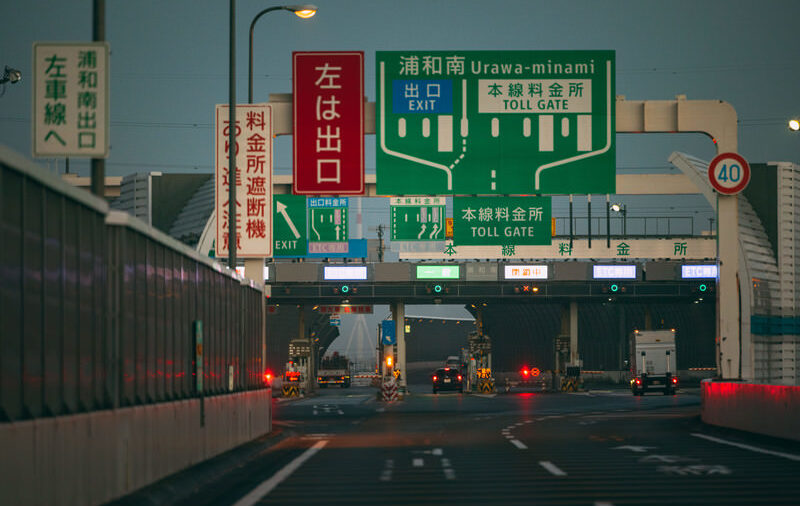
A senior member of a Japanese organized crime syndicate recently challenged his exclusion from electronic toll systems, arguing that the denial of access to automated expressway payments constitutes discrimination. The Fukuoka District Court dismissed the lawsuit on Nov. 10, ruling that the restrictions on the plaintiff’s freedom of movement were minor and legally permissible.
The Legal Dispute
In July 2023, the plaintiff applied for an ETC Personal Card, a payment method designed for drivers who do not possess standard credit cards. These cards allow vehicles to automatically pay tolls on Japan’s privately owned expressways. Application forms for these services contain mandatory disclosure clauses requiring applicants to state whether they are members of organized crime groups.
The plaintiff struck out the disclosure section of the application and submitted the form. One month later, operators, including NEXCO East, denied the request. In response, the plaintiff filed a lawsuit alleging that the exclusion infringed upon his rights and hindered his freedom of travel. The shift toward cashless toll collection, which is expected to be universal by 2030, has created significant barriers for individuals prohibited from entering into standard commercial contracts.
Court Ruling and Public Response
Judge Masakatsu Tange rejected the claim, noting that while the plaintiff faced inconvenience, his ability to travel remained intact. The court held that because expressways are optional and alternative routes are available, the restrictions do not constitute an illegal obstruction of movement.
Since 2011, Japanese law has prohibited companies from forming contracts with members of organized crime groups. This policy forces members to declare their affiliations when signing up for services ranging from point cards to mobile phone plans. Public reaction to the lawsuit has been largely dismissive, with many commentators arguing that the exclusion is a justified consequence of criminal association.