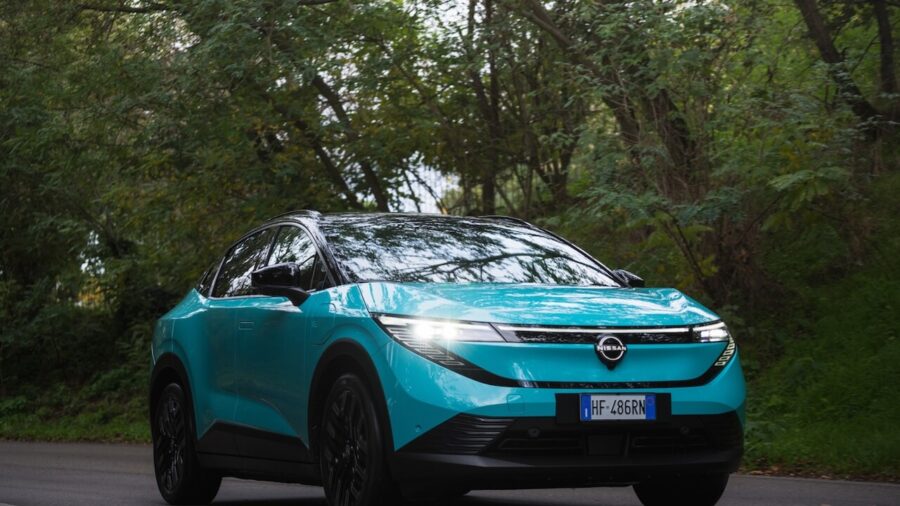
Drivers looking for a blend of distinct styling and increased efficiency may find the latest Nissan Leaf model a point of interest. The automaker has revised its electric vehicle offering, focusing on both aesthetic updates and functional improvements to its powertrain.
Enhanced Performance and Range
The primary update involves the vehicle’s driving capabilities. According to Nissan, the new Leaf configuration can achieve a range of up to 622 kilometers on a single charge. This figure represents an effort by the manufacturer to address consumer demand for longer distances between charging sessions.
Beyond the battery improvements, the company has prioritized interior and exterior adjustments. Nissan states the vehicle is designed to provide high levels of comfort for passengers while maintaining a unique visual identity on the road. The design overhaul aims to distinguish the current iteration from its predecessors, moving toward a more modern silhouette that aligns with current electric vehicle trends.
Market Positioning
Nissan’s strategy with this release centers on balancing traditional comfort features with the necessary technological upgrades required for the modern electric vehicle market. By emphasizing both the vehicle’s personality and its operational range, the company intends to maintain its footprint in the competitive EV sector.
As the automotive industry continues its transition toward electrification, manufacturers are under pressure to provide vehicles that can handle longer commutes without frequent stops. Nissan’s focus on extending range suggests a response to these market conditions, though final adoption will depend on how the vehicle performs in real-world driving environments compared to its competitors.
Why it matters: This update is significant as the global automotive market shifts toward sustainable transportation. For consumers in the Middle East and Egypt, where the infrastructure for electric vehicles is in early development stages, improvements in range are critical factors that could accelerate the adoption of electric mobility and reduce reliance on traditional fuel sources.