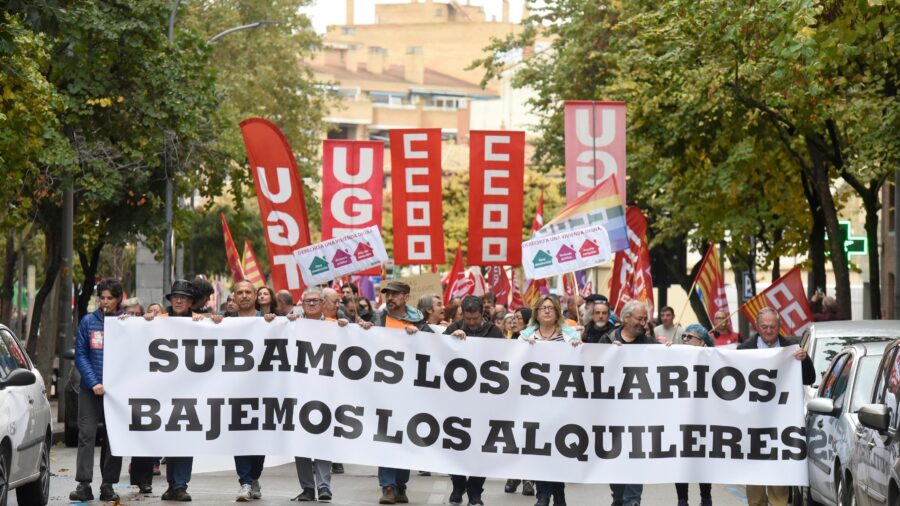
Streets across Spain saw varying levels of activity yesterday as the country experienced its first general strike in 14 years. While the industrial action did not bring the nation to a complete standstill, the event highlighted ongoing economic tensions within the Spanish workforce.
Economic Pressures Drive Protest
The strike, which organizers described as an atypical event, resulted in uneven participation across different sectors and regions. Analysts noted that the country did not experience the total paralysis seen during the historic general strike of December 14, 1988, a period marked by significant industrial restructuring and economic crisis.
Despite the lack of a total shutdown, the protest signaled widespread dissatisfaction. Labor groups organized the event to draw attention to three primary grievances:
- The ongoing crisis regarding housing access.
- The rising cost of living for average citizens.
- The stagnation of real wages.
Current data indicates that wage increases in collective bargaining agreements are averaging slightly above 3% this year. This growth remains nearly two percentage points below the national inflation rate, effectively reducing the purchasing power of many workers.
Looking Ahead
The strike serves as a barometer for public sentiment regarding current economic policies. As inflation continues to outpace salary adjustments, the gap between worker compensation and living expenses remains a central point of contention for labor unions and policymakers alike. Future negotiations will likely focus on bridging this divide to prevent further unrest.
Why it matters: This strike reflects a broader global trend where inflation erodes household income, a challenge currently affecting many nations. For observers in the Middle East and Egypt, where similar pressures on housing and the cost of living are prominent, the Spanish experience underscores the difficulty of balancing economic reform with the immediate financial needs of the working population.