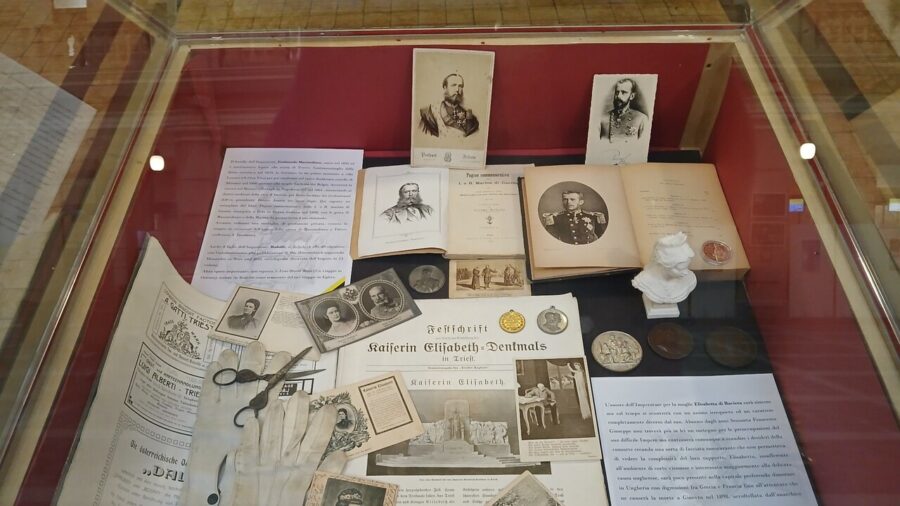
The Postal Museum in Trieste has launched an exhibition detailing the historical relationship between the city and Emperor Franz Joseph I. The collection features more than 300 period documents, photographs, and postcards, offering a visual narrative of the Austro-Hungarian Empire.
Key Exhibition Details
- Historical scope: The collection spans the era of the Austro-Hungarian Empire, focusing on the monarch’s connection to the port city of Trieste.
- Artifact variety: Exhibits include over 300 original items, ranging from official government documents to personal photographs.
- Postal history: The exhibition emphasizes the role of the postal service in maintaining communication and administration across the empire.
- Visual narrative: Rare postcards and archival images provide insight into daily life and official state affairs during the late 19th and early 20th centuries.
Documenting the Imperial Era
The exhibition serves as a historical archive, illustrating the administrative and cultural ties that once bound Trieste to the Habsburg monarchy. Curators have selected items that highlight the logistical operations of the empire, with a specific emphasis on the postal infrastructure that allowed the sprawling territory to function.
Visitors can view correspondence and records that document the administrative influence of the imperial court. The inclusion of vintage postcards provides a glimpse into the communication methods of the time, documenting both official state business and private interactions within the region.
The display aims to contextualize the monarch’s influence on local development. By showcasing items that were once part of the daily bureaucratic machinery, the museum provides a tangible link to the imperial past. The exhibition remains open to the public for those examining the historical evolution of Central Europe.
Why it matters: This exhibition provides insight into the history of the Austro-Hungarian Empire’s administrative reach. For regional historians, these documents clarify how imperial policy shaped the development of major port cities like Trieste, which served as vital hubs for trade and communication in the Mediterranean.