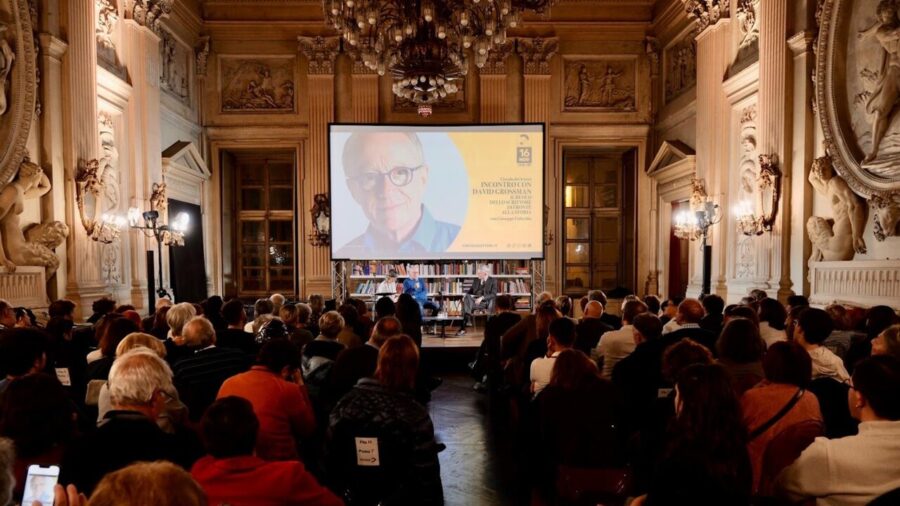
Turin prepares for the return of Radici, an annual festival dedicated to the intersection of memory, cultural identity, and history. The event, now in its fourth year, officially begins on Thursday, November 12, and continues through Sunday, November 15.
Focus on Heritage and Identity
The festival program is curated by writer Giuseppe Culicchia. Organizers have structured the four-day schedule to facilitate discussions on how historical memory shapes contemporary identity. Events are designed to engage the public with the diverse cultural narratives that define the region, though specific guest speakers and panel topics have yet to be detailed in the preliminary announcement.
Radici serves as a platform for cultural exchange within the city, inviting participants to reflect on roots and heritage. Previous editions of the festival have sought to bridge the gap between traditional storytelling and modern societal issues. By centering the dialogue on identity, the organizers aim to provide a space for critical thinking regarding the city’s evolving social landscape.
Event Logistics and Outlook
The festival will occupy various venues across Turin, maintaining a consistent focus on accessible cultural programming. While the full itinerary remains forthcoming, the established four-day format typically includes a mix of debates, readings, and public discussions. Attendees are expected to adhere to local guidelines as the city hosts this series of gatherings.
As the festival unfolds over the weekend, organizers will assess the impact of the discussions on the local community. Future iterations of Radici will likely continue to rely on this model of curated, thematic exploration to maintain public interest in regional history and cultural preservation.
Why it matters: The Radici festival highlights how cultural institutions use public events to navigate the complexities of identity in a globalized world. For international audiences, including those in the Middle East, the event serves as a case study on how cities can successfully leverage local history to foster community engagement and dialogue.