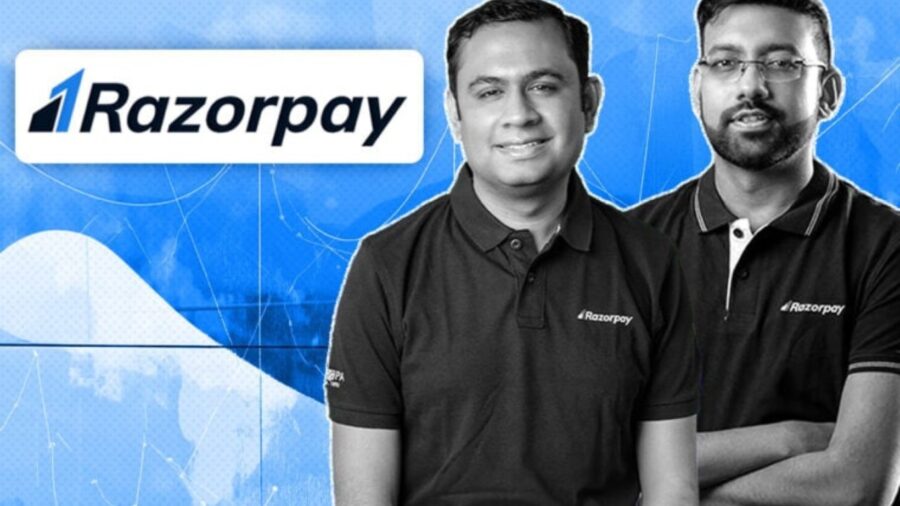
The Karnataka High Court has denied a request by Razorpay co-founders Harshil Mathur and Shashank Kumar to dismiss a case filed by the Serious Fraud Investigation Office (SFIO). The investigation concerns alleged lapses in merchant onboarding and transaction monitoring involving a digital lending firm accused of predatory recovery practices.
August 16, 2023
In a statement recorded by investigators, Harshil Mathur argued that Reserve Bank of India guidelines regarding digital lending were evolving. He contended that the responsibility for conducting full know-your-customer (KYC) verification did not rest with the payment gateway’s executives.
November 4, 2024
Justice M. Nagaprasanna issued an order rejecting the plea to quash the complaint. The court held that the allegations involve disputed questions of fact that must be examined during a trial. The judge stated there was no reason to interfere with the proceedings, as the case remains at a nascent stage.
The SFIO alleges that Razorpay acted as a payment intermediary for Mad Elephant Network Technology Pvt Ltd (MENTPL), a firm accused of operating an illegal digital lending business. The agency claims MENTPL utilized unethical and coercive loan recovery practices to generate wrongful gains of ₹56.63 crore. The Additional Solicitor General, representing the SFIO, told the court that Razorpay served as a conduit for approximately ₹320 crore in transactions linked to MENTPL.
The co-founders argued that the SFIO exceeded its jurisdiction, noting that Razorpay was not among the 33 companies named in the government’s 2022 investigation order. They further maintained that payment aggregators lack a statutory obligation to perform full KYC, a duty they assert belongs to banks. The executives also challenged the prosecution on grounds of limitation and lack of criminal intent.
Current Status
The legal proceedings against the Razorpay executives will continue. The court has determined that the allegations of insufficient due diligence and failure to exercise independent judgment as directors remain matters for trial.