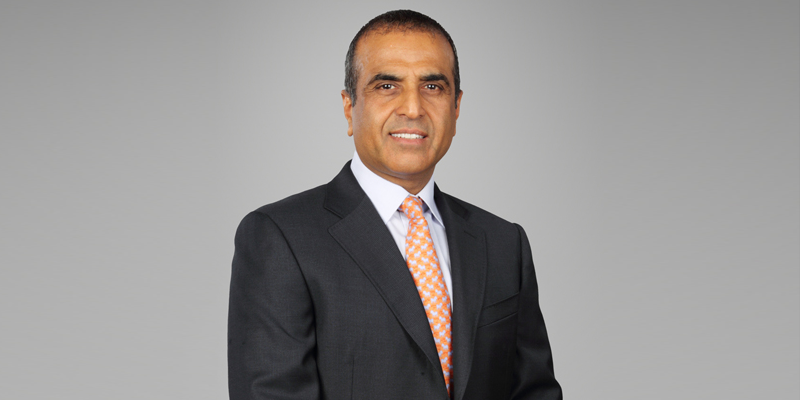
Bharti Airtel Chairman Sunil Bharti Mittal says India must maintain domestic control over the “kill switch” for satellite communications. Mittal argues that the capability to disable or throttle satellite networks must remain within national borders to ensure security as the government evaluates satellite broadband regulations.
Key takeaways
- Sovereign control: Mittal insists India must retain the ability to cut off or restrict satellite services, rather than leaving that power with foreign operators.
- Security concerns: The capability serves as a mechanism for authorities to manage national security threats, enforce lawful orders, and monitor communications.
- Dependency risks: Mittal warns against relying on a single company or nation, citing potential vulnerabilities in military and emergency connectivity.
- Operational infrastructure: Proposals include mandating in-country gateways and ensuring that all communication traffic is routed through India.
- Strategic precedent: The executive referenced reports regarding Ukraine’s reliance on Starlink, noting the potential for operational disruption when control lies abroad.
The Case for Domestic Oversight
The “kill switch” allows an operator to deactivate, throttle, or restrict a satellite network at the terminal, regional, or national level. This functionality relies on ground gateways and control systems that manage data traffic. Mittal stated that if these systems are located abroad, a country risks losing connectivity based on decisions made by foreign entities.
Governments view this infrastructure as a critical security tool. It provides the capacity to shut down services during conflicts or national emergencies, as well as the ability to intercept traffic for lawful purposes. Mittal emphasized that warfare is increasingly shifting to space, impacting drones, cyber operations, and guided missiles. He asserted that India requires “guardrails” to manage these risks effectively.