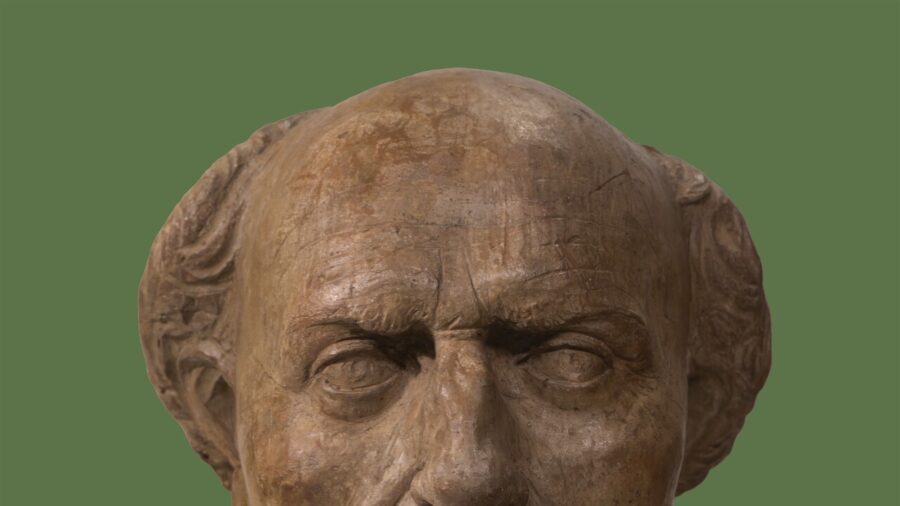
A terracotta bust depicting Renaissance architect Filippo Brunelleschi is being exhibited to the public for the first time in 600 years. The artifact, which provides a rare likeness of the artist behind Florence’s iconic cathedral dome, will remain on display until February 14.
Discovery and Historical Significance
The portrait is attributed to the period following Brunelleschi’s death in the 15th century. Experts suggest the piece offers a significant glimpse into the appearance of the man who revolutionized architecture during the Italian Renaissance. While Brunelleschi is credited with designing the dome of Santa Maria del Fiore, authentic contemporary depictions of him remain rare.
Historians and art researchers have long studied the architect’s legacy, but physical representations have often been subject to debate. This exhibition allows scholars and the public to examine the terracotta work closely to assess its historical accuracy and artistic technique.
Exhibition Details
The display is designed to provide context regarding the era of the sculpture’s creation. By presenting the bust, curators aim to connect modern viewers with the physical reality of the figure responsible for one of the most complex engineering feats of the Renaissance. The exhibition is scheduled to conclude in mid-February.
Why it matters: This discovery offers a tangible link to one of history’s most influential architects. For researchers and historians, the bust serves as a critical primary source for verifying the identity and appearance of a figure whose work continues to influence global architectural standards and engineering practices.