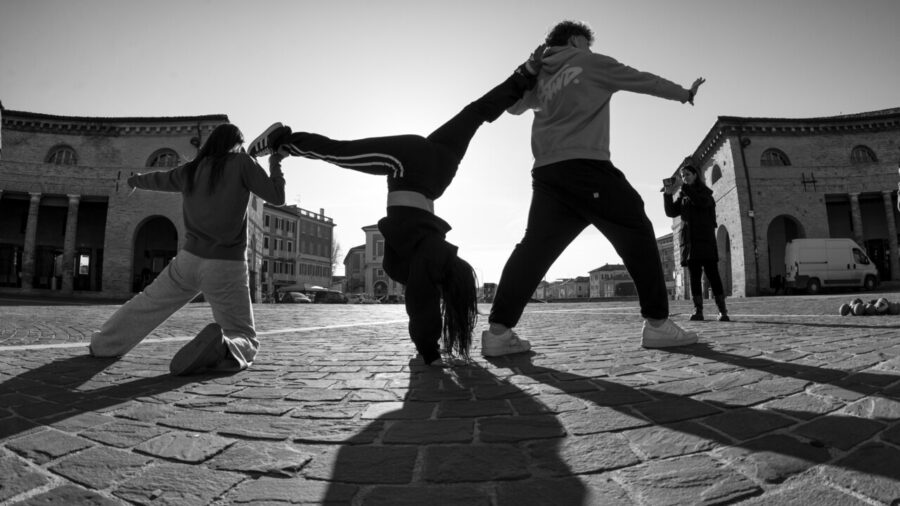
The Italian National Council of Architects has launched the eighth edition of its initiative aimed at integrating children’s perspectives into urban planning. The project encourages local communities to redesign public spaces based on proposals submitted by younger residents.
Project Objectives
Organizers stated that the initiative seeks to foster civic participation by involving children in the architectural design process. The council aims to transform public areas into more functional and inclusive environments. Proposals from past and current editions have included the installation of solar-powered benches, as well as the creation of outdoor cinema and theater spaces within public parks.
Community Engagement
The program operates by soliciting direct feedback and design concepts from children. Architects associated with the national council review these ideas to determine feasibility for urban development. The goal is to align modern infrastructure with the practical and recreational needs of younger citizens. Participants are encouraged to reimagine playgrounds, communal seating, and open-air venues to better serve the public.
Current Status
The eighth edition of the project is currently underway across participating Italian municipalities. The National Council of Architects continues to gather submissions, with the intent of implementing select designs in future urban renewal projects. The initiative reflects a broader movement within the architectural community to prioritize user-centric design in public planning.
Why it matters: This project demonstrates a shift toward participatory urban design, where the needs of the youngest citizens influence city infrastructure. For rapidly growing urban centers in the Middle East and Egypt, where public space development is a priority, this model offers a blueprint for creating more inclusive and sustainable parks and civic areas by integrating community feedback early in the planning phase.