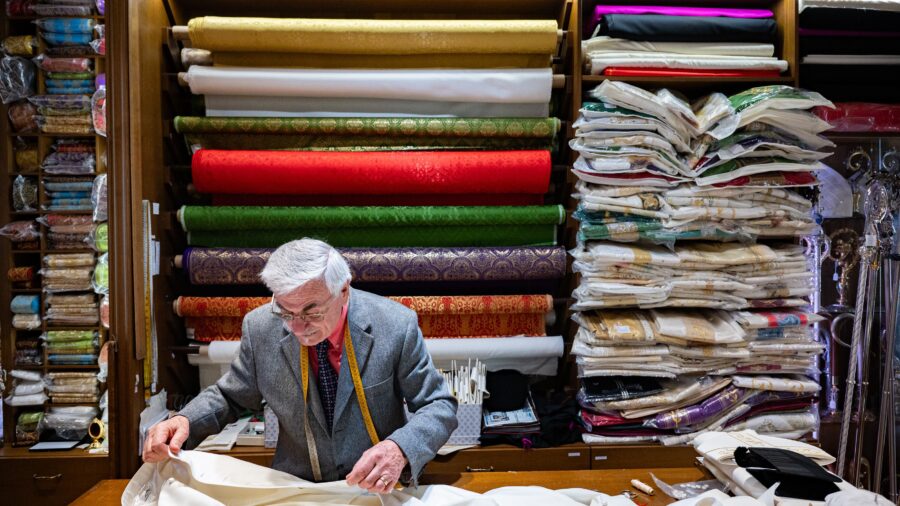
Thousands of small, family-owned businesses across Italy are at risk of closure as aging owners approach retirement without successors to take over operations. These enterprises, which range from artisan workshops producing luxury goods to neighborhood bakeries and furniture manufacturers, form a critical part of the Italian economy.
Key Takeaways
- Succession shortages: Many profitable, long-standing businesses lack heirs or external successors willing to continue operations.
- Economic impact: The potential closure of these firms threatens the country’s economic identity and the “Made in Italy” brand.
- Operational stability: The primary risk to these businesses is not financial insolvency, but a lack of leadership continuity.
- Diverse sectors: Affected industries include high-end fashion supply chains, traditional craftsmanship, and local food production.
- Demographic shift: The crisis is driven by a generation of business owners reaching retirement age with no clear transition plans.
The Succession Gap
The Italian economy relies heavily on small and medium-sized enterprises. These businesses often provide specialized labor for larger luxury brands and maintain local supply chains. Despite stable client bases and decades of operational experience, many owners report that they cannot find individuals interested in maintaining the business model once they retire.
Reports indicate that the issue is not a lack of profitability. Many of these firms remain financially viable. Instead, the challenge is structural. As current owners age, the absence of a younger workforce willing to enter or take over these traditional trades creates a vacuum in ownership and management.
Threats to ‘Made in Italy’
The potential loss of these businesses poses a broader threat to the “Made in Italy” label, which is internationally recognized for quality and craftsmanship. If these workshops disappear, the specialized skills and techniques they preserve may be permanently lost, impacting the broader luxury and manufacturing sectors that depend on them.