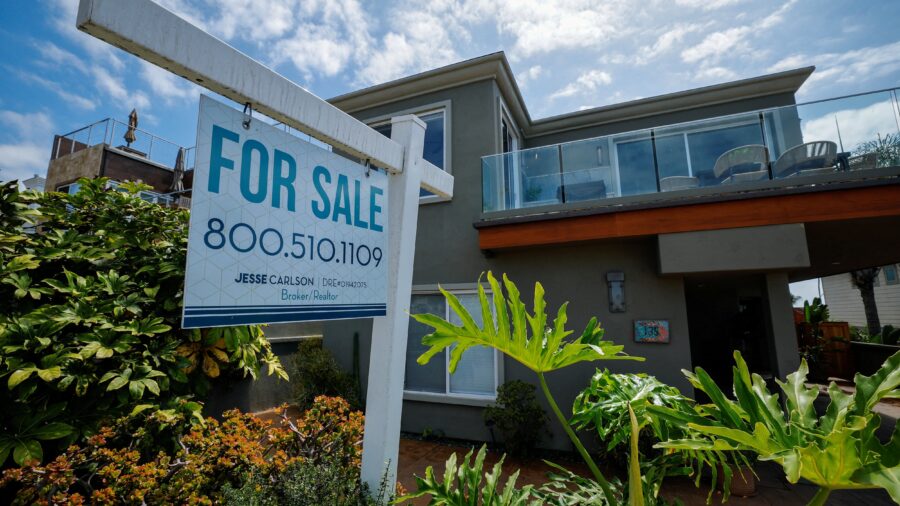
A potential homebuyer stands on the sidelines of the American real estate market, unable to enter due to soaring prices and financing costs. This financial barrier characterizes a dysfunctional housing sector that analysts say contributed to the electoral setbacks faced by the Republican Party in the recent midterm elections.
Market Barriers and Economic Impact
The current US housing market is defined by a dual struggle. Prospective buyers face high costs that effectively exclude them from purchasing homes. Simultaneously, current homeowners are often locked into their existing properties. Moving would require them to secure new financing at significantly higher mortgage rates, increasing their monthly payments and discouraging mobility.
Economic data suggests that housing wealth inequality has reached extreme levels. This gap complicates the broader economic landscape, as housing remains a primary driver of household stability and wealth accumulation for Americans.
The Need for Structural Change
Experts and market observers suggest that the current affordability crisis is deep-seated and requires radical solutions rather than incremental adjustments. The intersection of limited supply and prohibitive borrowing costs has created a stalemate that prevents market correction.
Looking ahead, the challenge for policymakers will be to address these structural imbalances without triggering further instability. Whether legislative or regulatory changes can effectively lower entry barriers remains a central question for the nation’s economic recovery.
Why it matters: Housing affordability is a critical indicator of economic health. For international observers and those in the Middle East, the US housing market serves as a benchmark for global real estate trends and consumer purchasing power, highlighting the risks of wealth inequality when essential assets become inaccessible to the middle class.