Egypt has established 16 residential and agricultural communities across North and South Sinai, featuring 1,141 homes and extensive water infrastructure, according to the Ministry of Water Resources and Irrigation. The initiative includes the construction of 269 groundwater wells and 28 pumping units to support local development.
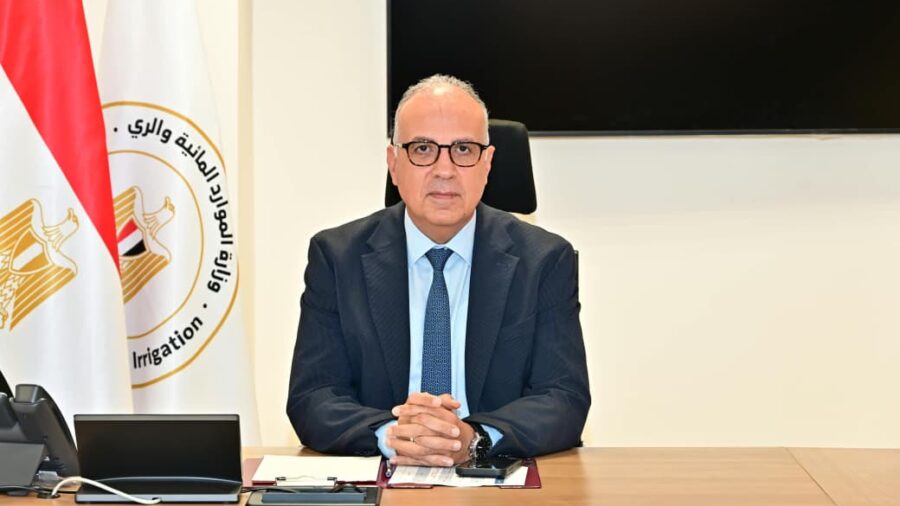
Water Resources and Irrigation Minister Hani Sewilam recently reviewed the operation and maintenance protocols for the new facilities. Under the government program, each beneficiary receives a 200-square-metre home alongside five feddans of agricultural land. The project aims to expand housing and employment opportunities in the Sinai Peninsula.
Infrastructure and Regional Distribution
The distribution of the development projects is split between the two governorates:
- North Sinai: Contains 10 communities equipped with 128 groundwater wells and 11 pumping stations, designed to irrigate approximately 4,900 feddans.
- South Sinai: Includes six communities with 132 wells and 16 pumping stations, intended to serve 5,250 feddans.
Authorities have provisionally taken control of 112 wells and nine pumping stations in North Sinai, as well as 25 wells and four pumping stations in South Sinai. The ministry confirmed that electricity has been connected to all transferred wells, while work continues on installing meters and completing necessary infrastructure.
Operational Strategy and Future Planning
Since November 2023, the ministry has operated and maintained wells in North Sinai. Officials have already awarded two contracts for equipment maintenance, operation, and security in the Hassana and Nakhl areas. The government is preparing four additional tenders for security and maintenance covering the 2026/27 and 2027/28 fiscal years.
Minister Sewilam directed officials to expedite the completion of outstanding works and to engage specialized companies for facility management. He also emphasized the need for strict groundwater management, noting that the resource is non-renewable. The ministry plans to establish water-user associations to monitor pumping volumes and ensure water quality.