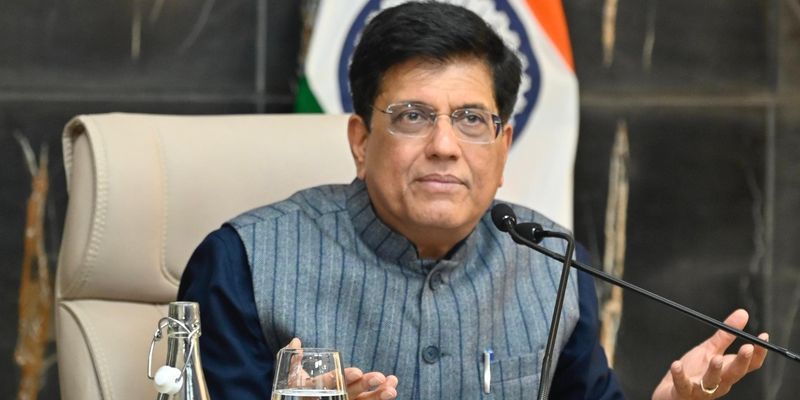
India’s commerce minister said the United States will grant Indian products lower tariffs than rival nations under a pending bilateral trade pact.
February 2024
India and the United States finalized the framework for the first phase of a bilateral trade agreement (BTA). The framework set out a broad outline for preferential market access, but the deal was not signed at that time.
March–April 2024
U.S. tariff policy shifted after the Supreme Court struck down the reciprocal tariffs imposed during the Trump administration. The United States began drafting a new tariff architecture using provisions of the Trade Act.
July 2024
Commerce and Industry Minister Piyush Goyal, speaking in Cairo, confirmed that the preferential access had been agreed between President Donald Trump and Prime Minister Narendra Modi. He said Indian goods would face lower duties than competitors once the first tranche of the BTA is concluded.
Late July 2024
An unnamed U.S. official told reporters that the United States had assured India of a comparative tariff advantage under the proposed BTA. Both sides aim to close the first tranche by the end of the current Indian financial year.
Ongoing Negotiations
The exact level of tariff reduction will depend on the final framework negotiated in the first tranche. Talks continue to define the broader BTA and the new tariff regime.
Where the Deal Stands
India and the United States are working to finalize the first tranche of the bilateral trade agreement before the end of the fiscal year. The outcome will determine the degree of preferential treatment Indian exporters receive in the U.S. market.
Why it matters:
Preferential U.S. market access could boost Indian exports, influencing trade flows in the region and offering Egyptian businesses potential new partners as India seeks to expand investment ties with Egypt.