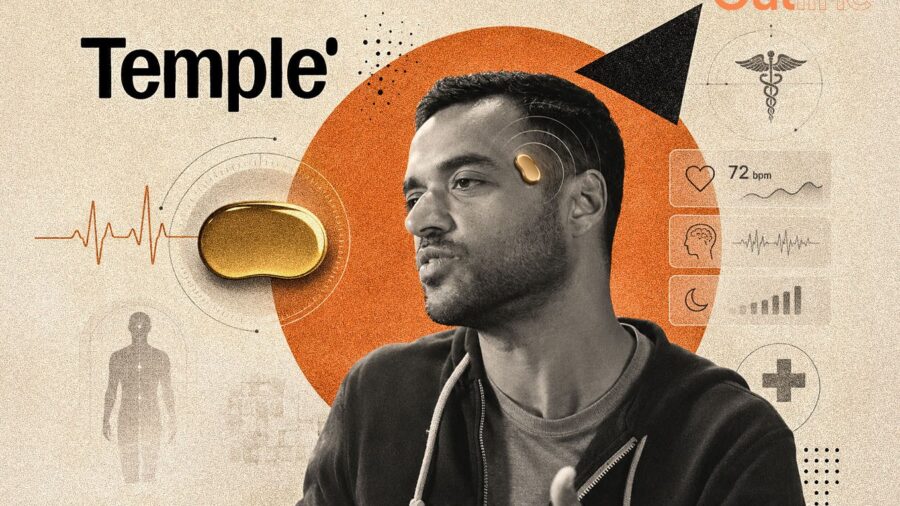
A debate surrounding the startup Temple has highlighted significant challenges in the Indian wearable technology sector, specifically regarding the development and validation of health-tracking devices. While startups can manufacture and market fitness products with relative ease, the industry currently lacks a standardized playbook for clinical verification.
Key Industry Challenges
- Lack of standards: The Indian wearable market currently has no established framework for developing and validating new health-tracking hardware.
- Regulatory ambiguity: Manufacturers can sell devices that track physiological parameters without undergoing the rigorous clinical validation required for medical-grade equipment.
- Validation gaps: Critics and industry observers note a disconnect between how companies market health claims and the actual scientific evidence supporting those metrics.
- Development hurdles: Startup founders face significant questions regarding where to test hypotheses and how to navigate bureaucratic processes when launching new devices.
The Temple Controversy
Temple, a company founded by Deepinder Goyal, has drawn attention for its claims regarding brain blood flow and physiological entropy. The startup promotes two primary metrics: BrainFlow, which purports to track relative changes in cerebral blood flow, and Entropy, which claims to measure the body’s load across various systems, including digestive, immune, and cognitive functions.
However, the company’s own research documentation indicates that the device does not directly measure cerebral blood flow. In response to inquiries, Temple clarified that its “Brain Flow Index” is a relative index derived from optical signals. The company stated this index correlates with blood-flow velocity in the middle cerebral artery, as measured by transcranial Doppler ultrasound. These metrics are currently used to track cardio intensity and prompt user movement.