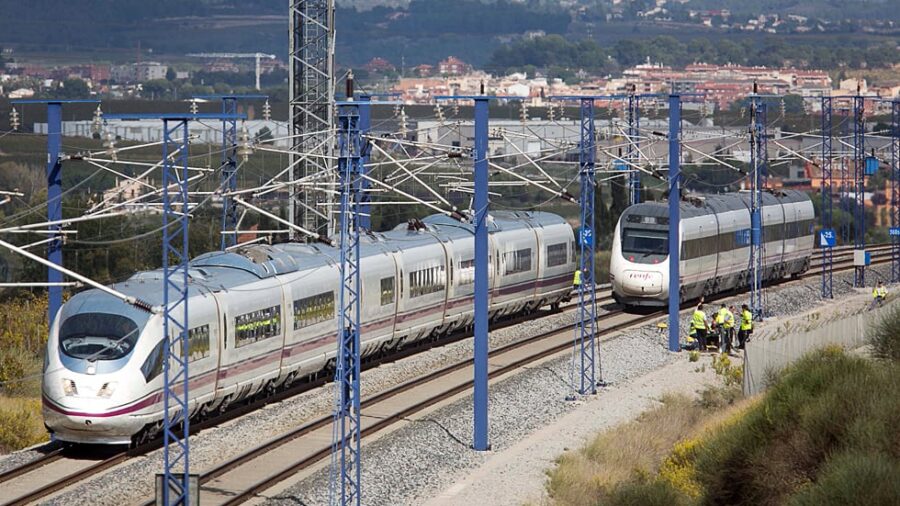
Spain’s Ministry of Transport plans to launch a comprehensive renovation of the Madrid-Barcelona high-speed rail line in early 2027. Former Transport Minister Óscar Puente announced the project on November 17, 2025, during a business and political forum in Madrid. The initiative aims to enhance passenger comfort, increase overall capacity, and reduce travel time to under two hours.
Internal Debate Over Construction Strategy
The announcement has sparked significant internal debate within Adif, the state-owned company responsible for managing the railway network. Officials are currently evaluating how to execute the upgrades without causing widespread disruption to the country’s most heavily used rail corridor. The line recently experienced record demand, with passenger numbers approaching 45 million annually despite previous service reliability issues.
Adif is considering several operational scenarios to minimize the economic and mobility impact of the construction:
- Extending nightly maintenance windows to allow for work during off-peak hours.
- Implementing brief, targeted line closures coupled with alternative transportation plans.
- Operating trains on a single track while construction crews work on the adjacent line.
The project remains in the planning phase as stakeholders weigh the necessity of the upgrades against the logistical challenges of maintaining service on a critical transit artery.
Why it matters: This project represents a significant infrastructure investment for Spain, as the Madrid-Barcelona route is the nation’s busiest rail link. For international observers and transport planners, the debate highlights the ongoing challenge of modernizing high-demand infrastructure while maintaining critical connectivity for millions of daily passengers.