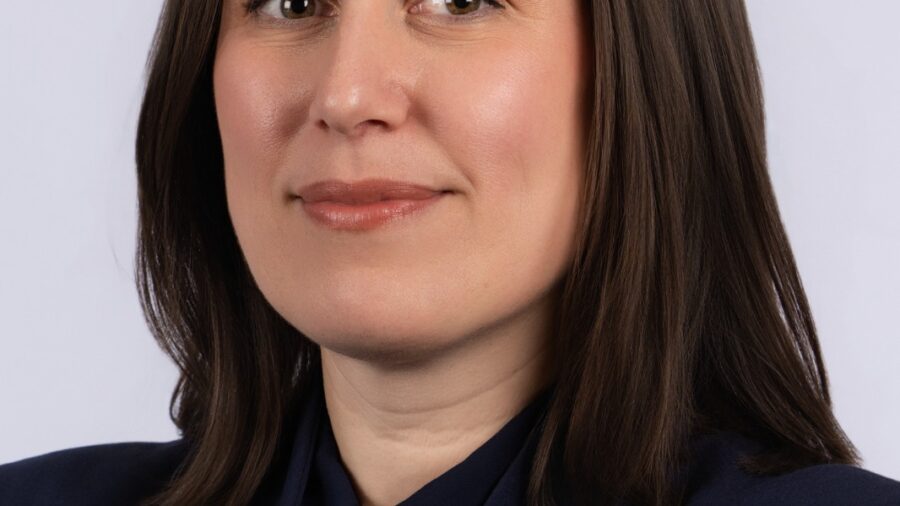
Economies across the Middle East and North Africa are balancing immediate economic pressures with the need for long-term structural reform, according to Kelsey Goodman, head of the Middle East and North Africa region at the World Economic Forum (WEF). Geopolitical tensions and shifting global trade patterns are currently reshaping investment and supply chain strategies throughout the area.
Goodman stated that rapid technological advancements, specifically in artificial intelligence, are increasing the demand for water, energy, and digital infrastructure. These factors have elevated the importance of green finance, regional connectivity, and public-private partnerships as tools for sustainable economic growth.
Adapting to Regional Economic Needs
The WEF does not apply a uniform economic strategy across the MENA region, Goodman noted. Because nations face different fiscal pressures, development priorities, and levels of economic diversification, the organization tailors its engagement to specific national circumstances. While some governments prioritize macroeconomic stability, others focus on job creation, digital transformation, or developing new energy sources.
The Forum acts as a facilitator, convening government officials, business leaders, and international stakeholders to address these priorities. The goal is to translate policy reforms into measurable results through collaboration.
Focus on Egypt
Egypt remains a central focus for the organization due to its strategic position in global trade and logistics networks. The WEF is scheduled to host a Country Strategy Meeting in Cairo on November 16–17, 2026. This gathering will connect senior government representatives with global business leaders to evaluate Egypt’s economic priorities and identify opportunities to improve national competitiveness.